Psychology suggests stargazing might be better for us than we realize
May 17, 2026 - 02:10

Step outside on a clear night in rural Ireland and the sky is just there. No app to open, no announcement, no preamble. The road has gone quiet. There is often a fox roaming around close by. And the sky overhead has more stars in it than anywhere I have stood in a city. I have found myself standing there longer than I meant to, not searching for constellations, just letting the quiet settle in.
Recent work in psychology suggests that this act of looking up might be doing more for us than we realize. Researchers are starting to study what they call the "overview effect" on a smaller, more personal scale. You do not need to go to space to feel a shift in perspective. Just lying on the grass and watching the sky slowly rotate can trigger a sense of awe. That feeling, psychologists argue, is not just pleasant. It can reduce stress, lower inflammation, and make us feel more connected to other people.
The key seems to be the scale of it. When we face something vast and ancient, our small daily worries shrink. The brain stops churning through its usual loops and just observes. It is a kind of natural reset button that costs nothing and requires no special skill. You just have to step outside and tilt your head back. The stars have been doing this work long before we had a name for it.
MORE NEWS

September 29, 2026 - 02:56
Study Links AI Chatbots to Psychological Harm in Vulnerable UsersNew research outlines how the use of AI chatbots for companionship and support is linked with severe negative outcomes. The study, conducted by researchers at Northeastern University, examined the...

September 28, 2026 - 02:40
Why Group Projects Feel Like a Psychological ThrillerEvery introvert knows that dreadful feeling when the professor puts up the PowerPoint slide and there it is, written in a bold, unforgiving font that seals a collective doom: 30% - Final Group...
September 27, 2026 - 01:35
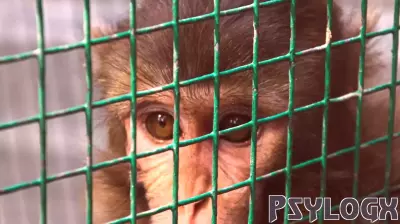
A Look Behind the Doors of a Primate Research FacilityLindsay Oliver`s new book offers a rare and detailed look at life inside a primate research facility, examining both the animals that live there and the people who care for them. Rather than...

September 26, 2026 - 15:04
A Clinical Psychologist Explains Why Gossip Is Not Always HarmfulClinical psychologist Niamh Delmar has shared her perspective on the role that gossip plays in everyday life, challenging the common assumption that talking about other people is always a negative...