Sleep Scientists Favor Year-Round Standard Time
July 21, 2026 - 07:56

The U.S. House of Representatives is moving toward making daylight saving time permanent across the country, but sleep scientists and physicians are pushing back with a different recommendation. After years of research, these experts argue that standard time should be the year-round choice, not daylight saving.
The debate centers on how our internal body clocks respond to light. Standard time aligns more closely with the natural cycle of sunrise and sunset, which helps regulate sleep patterns and overall health. When clocks spring forward, people lose an hour of morning light, making it harder to wake up naturally. Studies have linked the shift to increased risks of heart attacks, strokes, and traffic accidents in the days following the change.
Permanent daylight saving would mean darker mornings for much of the year, especially in northern states. This can lead to chronic sleep deprivation, higher rates of depression, and reduced productivity. The American Academy of Sleep Medicine and other health organizations have publicly stated that standard time is the safer option for long-term public health.
While lawmakers see the appeal of longer evening daylight for recreation and commerce, the scientific community warns that the cost to human health may outweigh those benefits. The decision now sits with Congress, but the message from sleep researchers is clear: stick with standard time for good.
MORE NEWS

October 19, 2026 - 04:51
How Witches, Batman and Spider-Man Can Help You Win CustomersCustomers are drawn to products that balance familiarity and recognition with a fresh twist that sparks curiosity and connection. That idea sits at the heart of some of the most successful...

October 18, 2026 - 00:28
Why Pushing Through Burnout Won't Fix a Broken SystemExhaustion is often treated as a personal failing, something to be corrected with better habits or a tougher mindset. But the question worth asking is not what is wrong with you. It is what is...
October 17, 2026 - 03:18
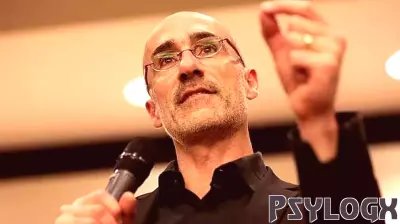
Why a Reverse Bucket List Can Make You Happier Than Chasing GoalsA happiness researcher is suggesting that people stop focusing so much on the future and instead look back at what they have already done. The idea is called a reverse bucket list, and it works in...

October 16, 2026 - 16:42
The Psychology Behind Why Effort Feels Worth ItWhy does effort feel worth it to some people and too costly to others? A UNSW-led research project is investigating what motivates us to persist, and the role of human connection. Researchers are...