Strange Psychological Phenomena That Explain Odd Human Behavior
September 19, 2026 - 01:05

Human behavior rarely needs an actual mystery to feel inexplicable. Somebody already studied most of the weird stuff, gave it a name, and moved on. What remains is a collection of documented effects that explain why people do things that seem to make no sense at the time.
Take the bystander effect. When a crowd witnesses an emergency, each person assumes someone else will step in. The larger the group, the less likely anyone acts. Responsibility gets diluted until it disappears.
Then there is the Dunning-Kruger effect, where people with limited skill in a task overestimate their ability, while experts underestimate theirs. Confidence and competence do not always travel together.
The Zeigarnik effect explains why unfinished tasks nag at the mind while completed ones fade quickly. The brain holds onto open loops, which is why a half-finished argument can bother you for days.
Cognitive dissonance covers the discomfort of holding two conflicting beliefs. To ease it, people often change their opinion rather than their behavior, defending a choice they already made.
The spotlight effect makes people believe others notice them far more than they actually do. Most of the time, nobody is watching as closely as you think.
These patterns do not make people irrational. They make people predictable in ways that are easy to overlook.
MORE NEWS

November 3, 2026 - 02:59
Expanding the Role of School Psychologists to Benefit Whole ClassroomsSchool psychologists are often seen primarily as specialists who step in when an individual student needs testing or support. Their training, however, covers far more ground than one-on-one...
November 2, 2026 - 09:24
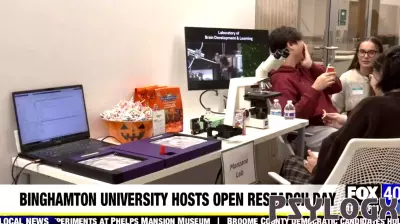
Community Gets Inside Look at University Psychology Research LabThe university opened the doors of its psychology research lab to the public during an Open Research Day event, giving visitors a firsthand view of how studies are designed and carried out. Guests...
November 1, 2026 - 19:32
Why People Take Part in Online Shaming and Digital JusticePeople who support online public shaming and digital vigilantism are often motivated by the pleasure of seeing others suffer and a desire to boost their own moral status, according to a recent...

November 1, 2026 - 13:06
Rethinking Cities Through Science: Math, Physics, Ecology and PsychologyCities are usually discussed in the language of infrastructure, economics and politics. But I`ve often wondered whether we are looking at cities through too narrow a lens. A growing body of...