Strong Communities Start With Connections
June 22, 2026 - 02:41

The bonds people form within their neighborhoods may be the most effective tool against the spread of destructive rumors. When individuals know their neighbors, share common spaces, and communicate regularly, the soil where falsehoods take root becomes much less fertile. A community built on real relationships creates a natural filter for information.
Experts point out that rumors thrive in environments where trust is low and isolation is high. In a disconnected neighborhood, a single piece of misinformation can travel quickly because there are few people willing to question it. But when residents have strong connections, they are more likely to verify a story with someone they know before passing it along. They also feel a greater sense of responsibility for the well-being of their neighbors, which makes them less likely to spread something that could cause harm.
This dynamic works on multiple levels. A simple wave to a neighbor or a conversation at a local store builds a foundation of familiarity. Over time, these small interactions create a web of accountability. People who feel they belong to a community are also more willing to correct false information when they hear it. They can say, "That does not sound right" or "I know that person, and that is not true," without fear of starting a conflict.
The lesson is clear. The effort to build stronger local ties is not just about friendliness. It is a practical strategy for protecting the truth and keeping a community healthy. When people know each other, they protect each other from the damage that rumors can cause.
MORE NEWS
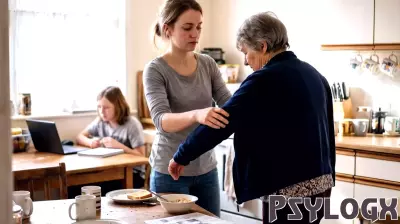
November 4, 2026 - 01:45
The Impact of Childhood Caregiving on Adult People-Pleasing BehaviorRecent findings by researchers Jones and Wells indicate a connection between childhood caregiving roles and the development of people-pleasing traits in adulthood. Many individuals who took on...
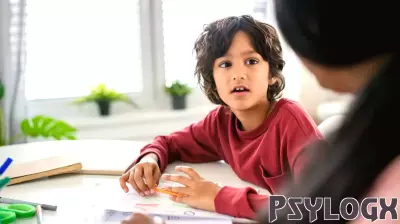
November 3, 2026 - 02:59
Expanding the Role of School Psychologists to Benefit Whole ClassroomsSchool psychologists are often seen primarily as specialists who step in when an individual student needs testing or support. Their training, however, covers far more ground than one-on-one...
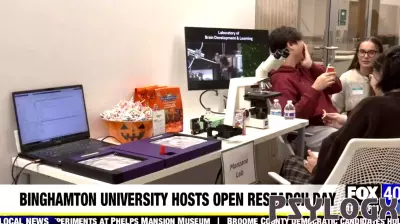
November 2, 2026 - 09:24
Community Gets Inside Look at University Psychology Research LabThe university opened the doors of its psychology research lab to the public during an Open Research Day event, giving visitors a firsthand view of how studies are designed and carried out. Guests...
November 1, 2026 - 19:32
Why People Take Part in Online Shaming and Digital JusticePeople who support online public shaming and digital vigilantism are often motivated by the pleasure of seeing others suffer and a desire to boost their own moral status, according to a recent...