The Hidden Struggle of "Phantom Obesity" After Weight Loss
June 5, 2026 - 11:58
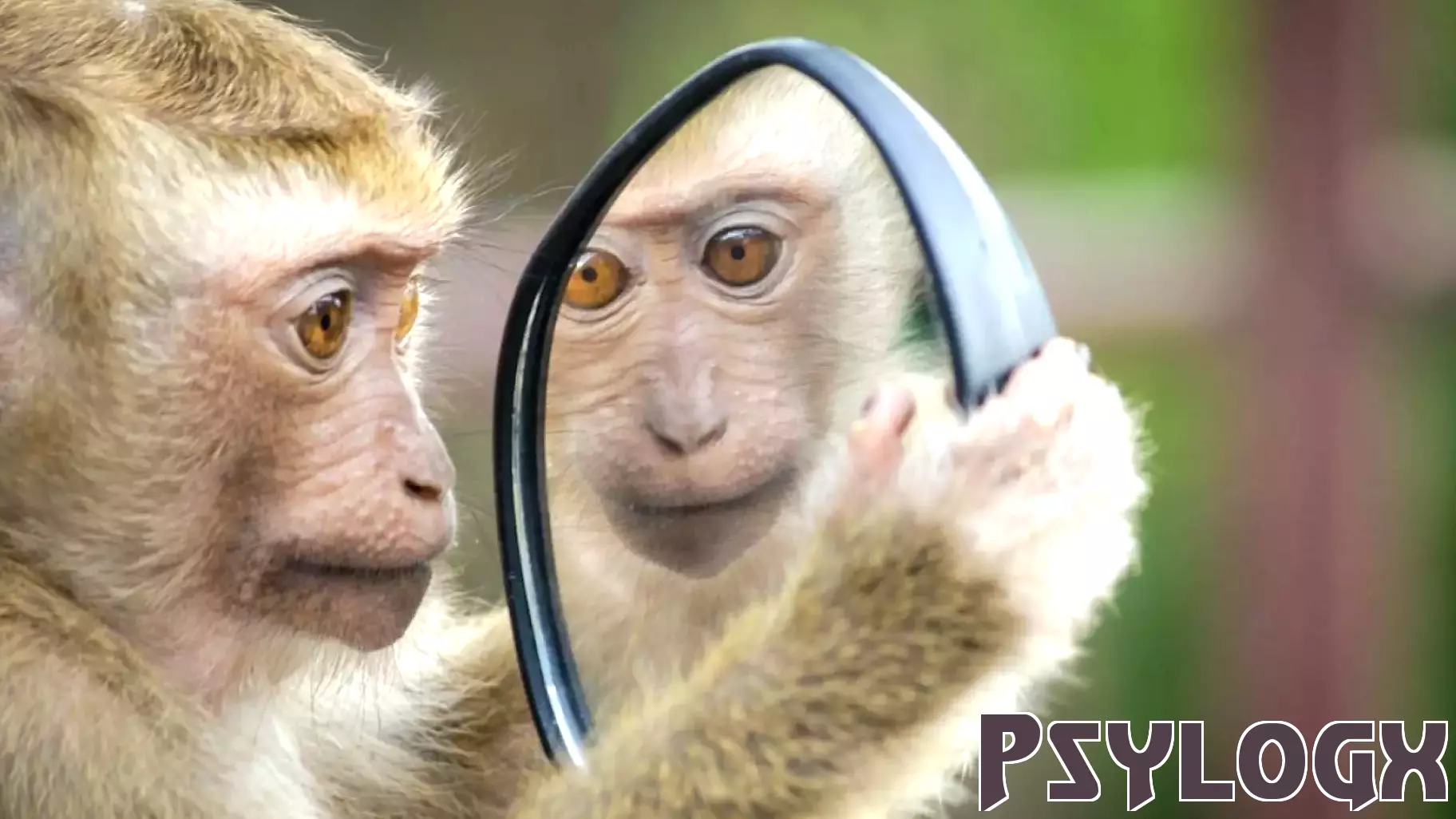
For millions of people using GLP-1 medications like Ozempic and Wegovy, shedding pounds has become surprisingly straightforward. But a growing number of patients are discovering a troubling side effect that has nothing to do with nausea or digestive issues. They call it "phantom obesity" - the persistent feeling that their body is still large, even after significant weight loss.
This psychological phenomenon occurs when the brain fails to update its internal body image to match the physical changes. After years or decades of being overweight, the neural pathways that define self-perception become deeply entrenched. When the body changes rapidly through medication, the mind lags behind.
Patients describe looking in the mirror and still seeing their former selves. Some report bumping into doorframes because they misjudge their new width. Others feel anxious sitting in chairs they now fit comfortably. The disconnect between reality and perception can be disorienting and even frightening.
Mental health professionals are seeing more cases of body dysmorphia linked to GLP-1 weight loss. Unlike traditional body image issues, these patients are not imagining they are larger than they are - their brains are literally stuck in an outdated image. The condition can trigger depression, social withdrawal, and in some cases, a return to old eating habits as people try to reconcile their internal and external selves.
Experts recommend that anyone using these medications prepare for the psychological adjustment. Therapy, support groups, and gradual lifestyle changes can help bridge the gap. But for now, the message is clear: losing weight is only half the battle. Learning to inhabit a new body takes time, patience, and often professional help.
MORE NEWS

October 18, 2026 - 00:28
Why Pushing Through Burnout Won't Fix a Broken SystemExhaustion is often treated as a personal failing, something to be corrected with better habits or a tougher mindset. But the question worth asking is not what is wrong with you. It is what is...
October 17, 2026 - 03:18
Why a Reverse Bucket List Can Make You Happier Than Chasing GoalsA happiness researcher is suggesting that people stop focusing so much on the future and instead look back at what they have already done. The idea is called a reverse bucket list, and it works in...

October 16, 2026 - 16:42
The Psychology Behind Why Effort Feels Worth ItWhy does effort feel worth it to some people and too costly to others? A UNSW-led research project is investigating what motivates us to persist, and the role of human connection. Researchers are...

October 15, 2026 - 18:42
The Psychological Trap Behind Nonstop DecoratingThe concept goes all the way back to the 18th century. Denis Diderot, the French philosopher, received a lavish scarlet robe as a gift. He loved it at first. Then he noticed how shabby everything...