The hidden virtues of predictability, according to science
June 30, 2026 - 19:40
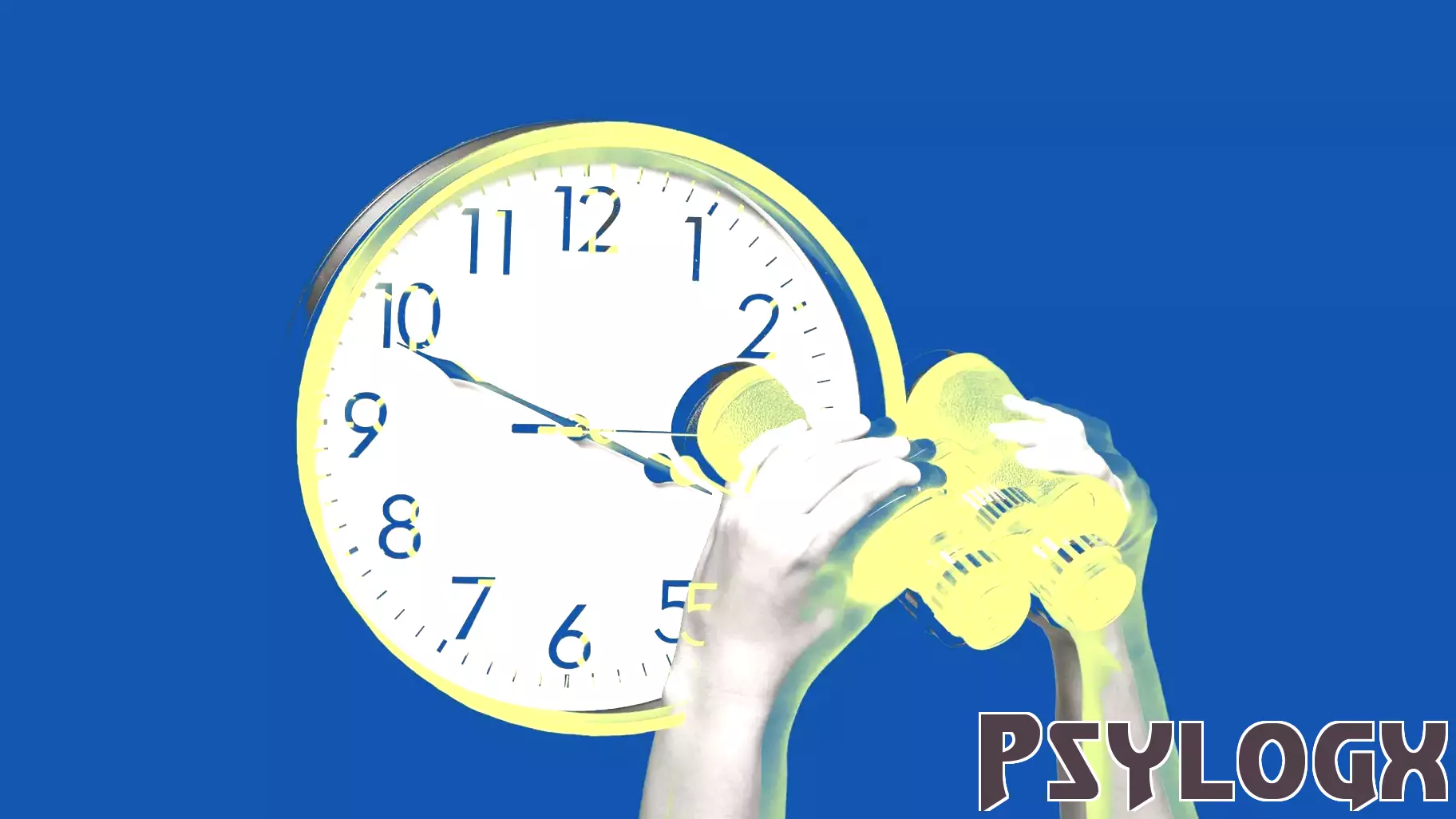
We tend to treat predictability like a dirty word. It conjures images of boring routines, stale relationships, and a life without surprise. But a growing body of scientific research suggests we have it all wrong. Predictability, it turns out, is a hidden engine for well-being, creativity, and even social connection.
Studies in neuroscience show that the human brain is a prediction machine. It constantly scans the environment for patterns to conserve energy and reduce anxiety. When our surroundings are chaotic, the brain stays on high alert, flooding the body with stress hormones. Predictable environments, on the other hand, allow the brain to relax. This mental calm is not laziness. It is the foundation for higher-level thinking. When you are not worried about what comes next, you have more cognitive bandwidth for problem-solving, learning new skills, and generating original ideas.
The benefits extend to our relationships. While spontaneity has its charm, research on trust shows that reliability is the bedrock of connection. A partner who shows up on time, a friend who returns a call, a colleague who follows through on a promise -- these small, predictable acts build a sense of safety. Without that safety, relationships become tense and transactional. Predictability is not about being boring. It is about being someone others can count on.
Even our physical health depends on it. Circadian rhythms, the body's internal clock, thrive on predictable cycles of light, food, and sleep. Disrupting this rhythm with erratic schedules has been linked to everything from poor digestion to weakened immunity. A consistent bedtime and mealtime are not just old-fashioned advice. They are biological necessities.
So the next time someone calls you predictable, do not take it as an insult. Take it as proof that you are creating a stable world for yourself and the people around you. Science suggests that is a virtue worth keeping.
MORE NEWS

September 29, 2026 - 02:56
Study Links AI Chatbots to Psychological Harm in Vulnerable UsersNew research outlines how the use of AI chatbots for companionship and support is linked with severe negative outcomes. The study, conducted by researchers at Northeastern University, examined the...

September 28, 2026 - 02:40
Why Group Projects Feel Like a Psychological ThrillerEvery introvert knows that dreadful feeling when the professor puts up the PowerPoint slide and there it is, written in a bold, unforgiving font that seals a collective doom: 30% - Final Group...
September 27, 2026 - 01:35
A Look Behind the Doors of a Primate Research FacilityLindsay Oliver`s new book offers a rare and detailed look at life inside a primate research facility, examining both the animals that live there and the people who care for them. Rather than...

September 26, 2026 - 15:04
A Clinical Psychologist Explains Why Gossip Is Not Always HarmfulClinical psychologist Niamh Delmar has shared her perspective on the role that gossip plays in everyday life, challenging the common assumption that talking about other people is always a negative...