What Not to Say to Someone With Chronic Pain
June 18, 2026 - 21:54

A psychologist explains the social hurdles that come with chronic pain and how to offer real support instead of empty words.
Living with chronic pain is not just a physical experience. It shapes how a person moves through the world, how they work, and how they connect with others. Yet many people who do not live with it have no idea how to talk about it. A psychologist who works with chronic pain patients recently outlined the most common social challenges these individuals face, and the comments that make things worse.
One of the worst things you can say is "Have you tried yoga?" or "Maybe you just need to think positively." These suggestions imply that the person has not already tried everything. They also shift the blame onto the sufferer, as if their pain is a failure of attitude or effort. Another damaging phrase is "But you look fine." Chronic pain often has no visible signs. When someone says this, they are dismissing the person's reality and forcing them to defend their own body.
The psychologist notes that people with chronic pain often feel isolated because friends and family stop asking how they are doing. This silence comes from discomfort, but it reads as abandonment. Instead of avoiding the topic, try saying something simple like "That sounds really hard. I'm here." Do not offer unsolicited advice. Do not compare their pain to your own headache or sore muscles. Just listen.
Real support means acknowledging that their pain is real, even if you cannot see it. It means checking in without expecting them to pretend everything is fine. It means being patient when they cancel plans. The goal is not to fix them. The goal is to stay present.
MORE NEWS

September 17, 2026 - 04:15
Five Greater Latrobe students recognized as September Wildcats of the MonthFive students from the Greater Latrobe School District received recognition during the September school board meeting on Tuesday. The district named them Wildcats of the Month, a program designed...

September 16, 2026 - 03:15
Study Links Close Social Duties to Cultural DifferencesDo you think that a person who reorganizes their life so that their aging parents can live with them would be likely to push another out of the way on the subway? What about greeting strangers with...
September 15, 2026 - 13:02
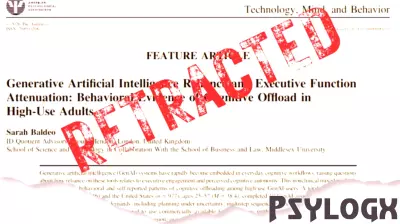
CEO of AI company loses paper on cognitive impact of generative AIA psychology journal has retracted a paper examining how generative AI use affects confidence in work tasks after its sole author declined to share data with the editors. The paper, published in...

September 14, 2026 - 23:23
Clinical Psychologist and Mental Health Advocate Kelly N. Moore Dies at 46Kelly N. Moore, a widely respected clinical psychologist whose work reshaped how institutions approach trauma care and mental health services, died Thursday, Aug. 20, at Virtua Voorhees Hospital....