Psychology says people who constantly look for signs from the universe are just trying to make sense of th
July 29, 2026 - 23:22
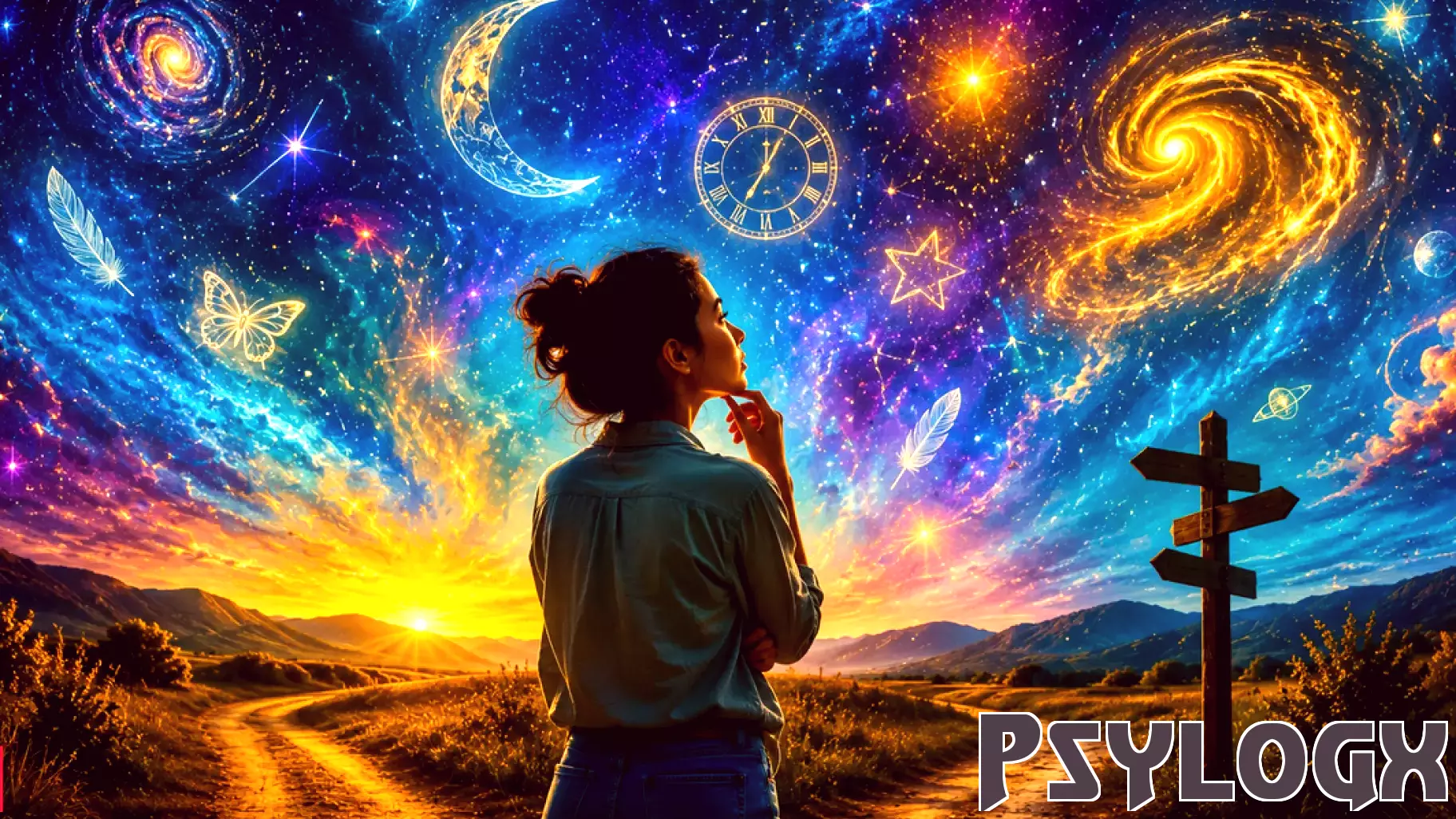
Constantly searching for signs from the universe is not a mystical quirk but a natural psychological strategy for dealing with uncertainty, experts say. When people notice repeated numbers, unexpected animal encounters, or coincidental song lyrics, they are engaging in a cognitive process called apophenia -- the tendency to perceive meaningful patterns in random information. This is the same mechanism behind seeing faces in clouds or believing a lucky charm works.
Psychologists explain that humans are wired to make sense of chaos. In times of stress, grief, or major life decisions, the brain craves order and control. Looking for signs offers a sense of guidance when logic falls short. It reduces anxiety by providing a narrative that feels intentional rather than accidental. For example, someone hoping for a job offer might interpret a green light as a "yes" from the universe, turning a neutral event into emotional reassurance.
This behavior is not inherently unhealthy. It becomes problematic only when it replaces critical thinking or leads to harmful decisions. Most people use signs as a coping tool, not a life manual. The key is balance: acknowledging the comfort these patterns bring while remembering that the universe does not send text messages. the search for signs reflects a deeply human need to feel connected and understood in an unpredictable world.
MORE NEWS

October 27, 2026 - 22:33
Psychology says children who refuse to join a group photograph but happily take the picture may mean more than you thinkAt a family gathering, everyone is getting ready for a group photograph. One child refuses to stand with the others, moves away when the camera comes out and insists they do not want their picture...

October 27, 2026 - 15:38
Nostalgic people vs. future-focused people: Psychology explains why some people revisit old memories while others concentrate on what lies aheadHave you ever found yourself going through old photographs, revisiting childhood memories, or talking about moments from the past that hold a special place in your heart with your partner, only to...
October 26, 2026 - 19:14
Why Flawed Psychology Studies Still Shape How We Think About Human BehaviorA new Netflix series has brought the Stanford prison experiment back into public conversation, raising fresh questions about why controversial psychology research continues to hold such a powerful...

October 26, 2026 - 12:35
Why Your Brain Replays Work Conversations and How to Break the LoopYou finish a meeting, return to your desk and try to get on with the day. But your mind keeps going back to one moment. Maybe it was a comment you made, a pause that felt too long, or a look you...