Why being born helpless may be one of humanity’s greatest strengths
August 6, 2026 - 03:42
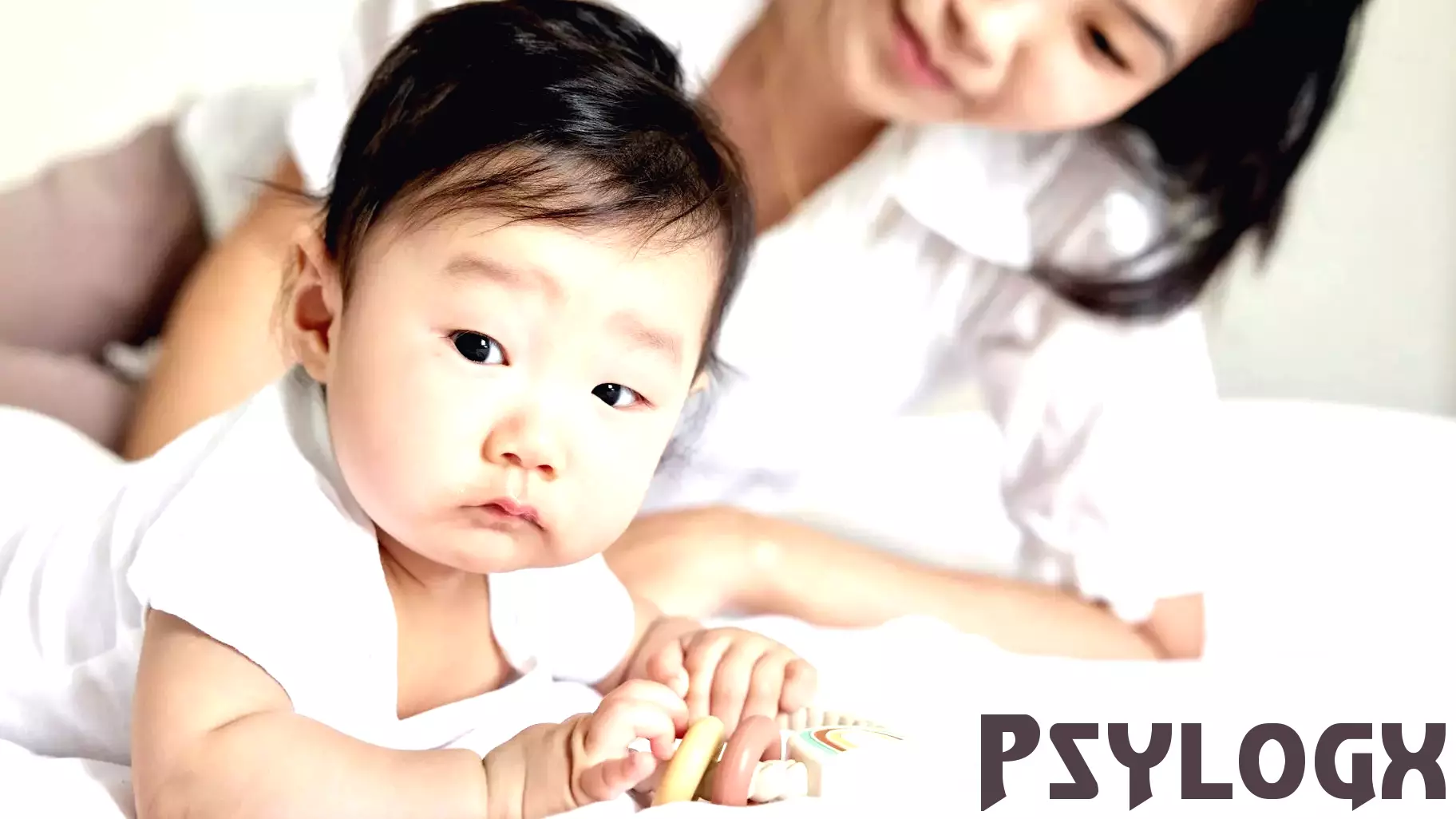
New research is turning an old assumption on its head. For decades, scientists viewed the long, vulnerable infancy of human babies as a costly trade-off. We are born unable to walk, talk, or even hold our own heads up, and that period of total dependence lasts far longer than in any other primate. But a growing body of work in evolutionary biology and developmental psychology suggests this helplessness is not a flaw. It may be the very thing that makes us human.
The argument goes like this. Because human infants require such intense, sustained care, they force adults to cooperate. A single mother cannot do it alone. She needs a partner, grandparents, siblings, or a wider community. This pressure likely drove the evolution of our social instincts. It is not that we became smart first, and then learned to care for each other. It may be that the need to care for helpless babies made us smart, empathetic, and cooperative.
This idea challenges the common view that our big brains are the sole reason for our success. Brain size matters, but it comes with a cost. A large head makes birth difficult, and a brain that keeps growing after birth requires enormous energy. Helplessness solves part of that problem. The baby is born early, with a soft skull and a brain that is only a quarter of its adult size. The rest of the growth happens outside the womb, where it is shaped by social interaction.
What is more, helplessness may trigger caregiving behavior in adults. The round face, the large eyes, the inability to do anything for itself. These features are not random. They are powerful cues that activate nurturing responses in parents and even in unrelated adults. Some researchers call this the "baby schema." It is a biological signal that says, "I need you." And we are wired to respond.
This perspective shifts how we think about vulnerability. Instead of seeing dependence as a stage to rush through, we might see it as a foundational human experience. It teaches empathy. It builds bonds. It forces us to look outside ourselves. In a world that often prizes independence and self-reliance, the helpless infant reminds us that our greatest strength might be our willingness to be needed, and to need others in return. The very thing that makes us fragile at birth is what makes us strong as a species.
MORE NEWS

September 20, 2026 - 00:13
Study Links Mass Shootings and Suicides to Shared Seasonal PatternA new research analysis has identified a troubling connection between two forms of violent death in the United States. According to the findings, mass shootings and suicides follow a similar...

September 19, 2026 - 01:05
Strange Psychological Phenomena That Explain Odd Human BehaviorHuman behavior rarely needs an actual mystery to feel inexplicable. Somebody already studied most of the weird stuff, gave it a name, and moved on. What remains is a collection of documented...

September 18, 2026 - 15:29
Why a Signature Scent Becomes Part of Who You AreA signature fragrance often evolves into a key aspect of one`s identity. Over time, this scent transforms into a personal brand, woven deeply into our memories and emotions. With the power to evoke...

September 17, 2026 - 20:54
Study Finds Jewish Students in Germany Face Higher Psychological StressJewish students attending German universities report significantly higher levels of psychological strain compared to their non-Jewish peers, according to new research. The findings point to...