Why People Sometimes Riot After Winning: The Psychology Behind Celebratory Chaos
June 15, 2026 - 20:45
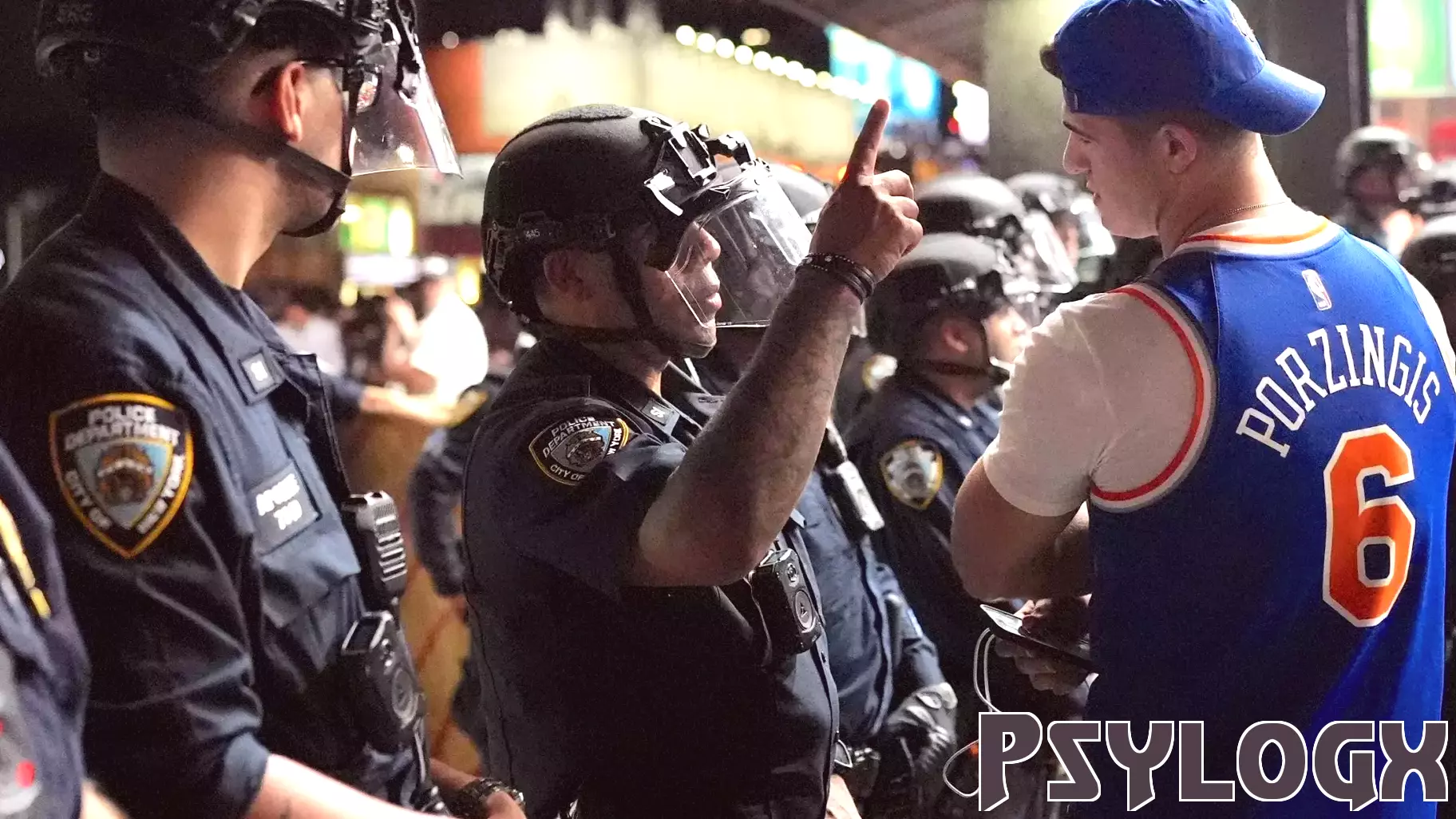
When the New York Knicks clinched their first championship in 53 years, the streets of Manhattan erupted. Fans poured out of bars and apartments, honking horns, setting off fireworks, and climbing street poles. But within hours, the celebration turned darker. Storefronts were smashed, cars were overturned, and police made dozens of arrests. The scene was not unique. Similar outbreaks of chaos have followed Super Bowl victories, World Series wins, and even Olympic gold medals. Why do people riot after winning?
Psychologists point to a mix of emotional overload and crowd dynamics. A long-awaited victory triggers a massive release of dopamine and adrenaline. In a large group, this shared euphoria lowers inhibitions. People feel anonymous and less accountable for their actions. The crowd becomes a single entity, and individual judgment fades. What might feel like harmless fun to one person can quickly escalate into vandalism when everyone around them is doing the same.
There is also a sense of entitlement. Fans who have suffered through decades of losing feel they have "paid their dues." The victory feels like a collective reward, and breaking a few rules seems like a small price for such a rare moment. Social media amplifies this. Videos of the first broken window or the first flipped car spread instantly, encouraging others to join in.
Police often struggle to respond. A full-scale crackdown can turn a rowdy celebration into a violent confrontation. Many departments use a strategy of containment, letting the chaos burn out on its own. But for the fans caught up in the moment, the riot is not about destruction. It is about release. After 53 years of waiting, the city needed to let off steam. The broken glass was just the sound of a long-held breath finally escaping.
MORE NEWS

September 14, 2026 - 03:32
Rethinking Wealth: Behavioral Lessons from The Psychology of MoneyMorgan Housel`s The Psychology of Money emphasises the role of behaviour in financial decisions. It also highlights that intelligence alone doesn`t ensure financial success. The book argues that...

September 13, 2026 - 01:39
Why Some People Turn to Siblings Instead of Parents for SupportSibling relationships are distinctive because they are built around a shared past, familiarity and a relatively equal footing. Brothers and sisters often grow up experiencing many of the same...

September 12, 2026 - 07:56
What a Birkin Bag Taught Me About Perception and AccessMy handbag purchase became a lesson in signaling, first impressions, and why perception can shape access before merit gets a chance to speak. I told myself the bag was an investment. That was the...

September 11, 2026 - 20:56
Psychology says celebrities who care about ecological restoration may be seeking more than just environmenWhen famous people speak about restoring forests, cleaning up oceans or protecting endangered wildlife, the public often assumes the motive is simple concern for nature. Psychology suggests the...