The Connection Between Nutrition and Mental Health
20 November 2026
The relationship between nutrition and mental health is a topic that has gained significant attention in recent years. While most people understand that a balanced diet is essential for physical health, its impact on mental well-being is equally crucial. This article delves into the intricate connection between what we eat and how we feel, exploring the science behind this relationship, practical advice for improving mental health through nutrition, and common misconceptions that can hinder progress.
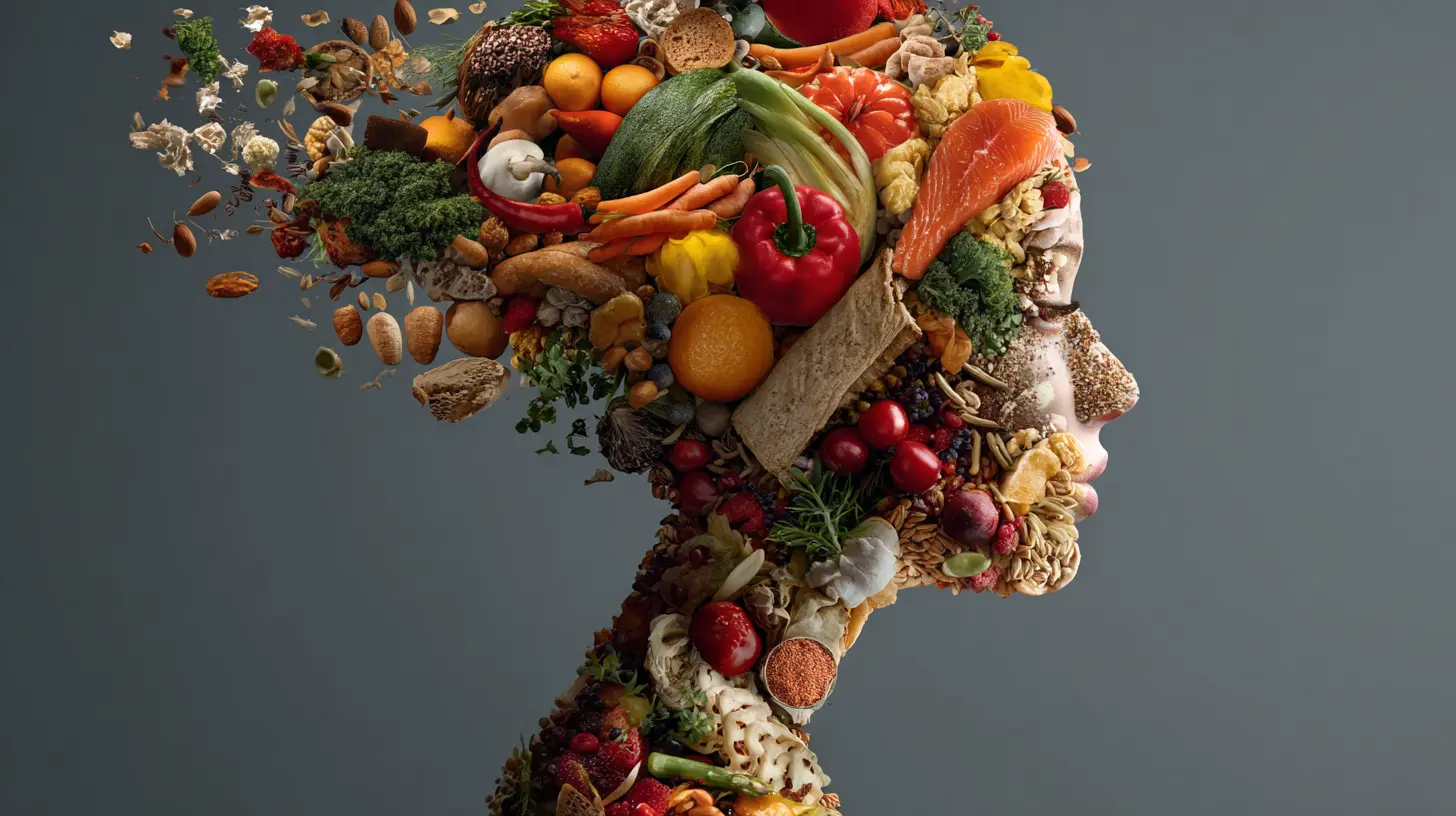
Understanding the Brain-Gut Connection
The brain and gut are in constant communication, often referred to as the brain-gut axis. This connection highlights how the state of our gut can influence our mental health. The gut microbiome, a complex community of microorganisms residing in our digestive tract, plays a pivotal role in this interaction.The Role of Gut Microbiota
Research indicates that the gut microbiota can affect brain function and behavior. For instance, certain strains of bacteria are linked to the production of neurotransmitters, such as serotonin, which is often called the "feel-good" hormone. Approximately 90 percent of serotonin is produced in the gut. Therefore, a healthy gut flora can lead to improved mood and emotional regulation.Nutritional Factors Influencing Gut Health
To support a healthy gut microbiome, a diet rich in fiber, fermented foods, and diverse plant-based options is advisable. Foods such as yogurt, kefir, sauerkraut, and a variety of fruits and vegetables can nourish beneficial bacteria. On the other hand, diets high in sugar and processed foods can disrupt microbial balance, potentially leading to negative mental health outcomes.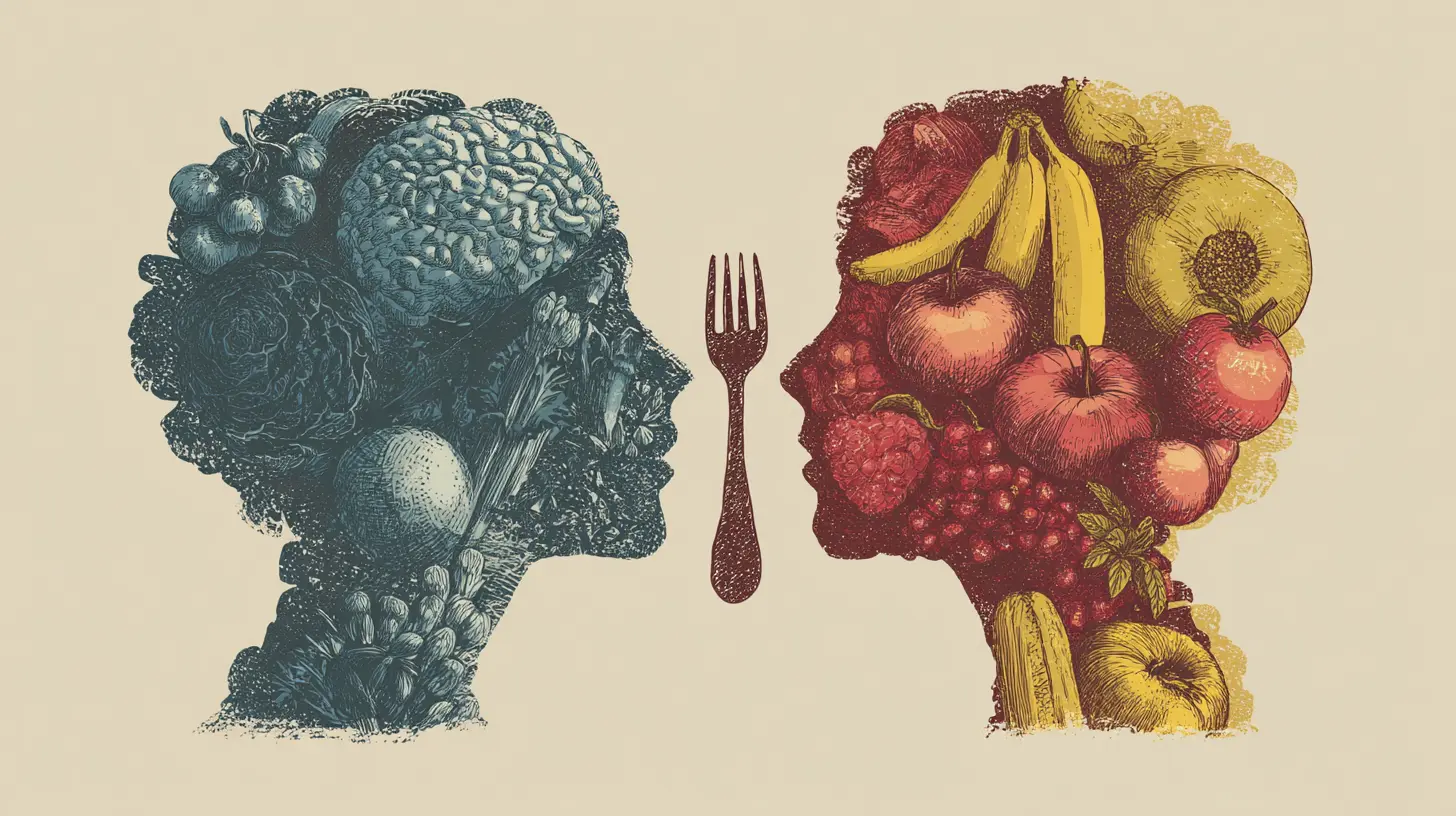
Nutrients That Matter
Certain nutrients have been shown to have a direct impact on mental health. Understanding these can help individuals make informed dietary choices.Omega-3 Fatty Acids
Omega-3 fatty acids, found in fatty fish like salmon, walnuts, and flaxseeds, are essential for brain health. They play a significant role in reducing inflammation and promoting the growth of new brain cells. Studies suggest that individuals with higher omega-3 intake may have a lower risk of depression and anxiety.B Vitamins
B vitamins, particularly B6, B12, and folate, are crucial for the synthesis of neurotransmitters. A deficiency in these vitamins can lead to mood disorders. Foods rich in B vitamins include leafy greens, legumes, eggs, and fortified cereals. Ensuring adequate intake of these vitamins can support mental well-being.Antioxidants
Antioxidants, such as vitamins C and E, protect the brain from oxidative stress, which can contribute to cognitive decline and emotional disorders. Fruits and vegetables, particularly berries, nuts, and seeds, are excellent sources of antioxidants. Incorporating a variety of these foods into the diet can help combat oxidative stress and support mental health.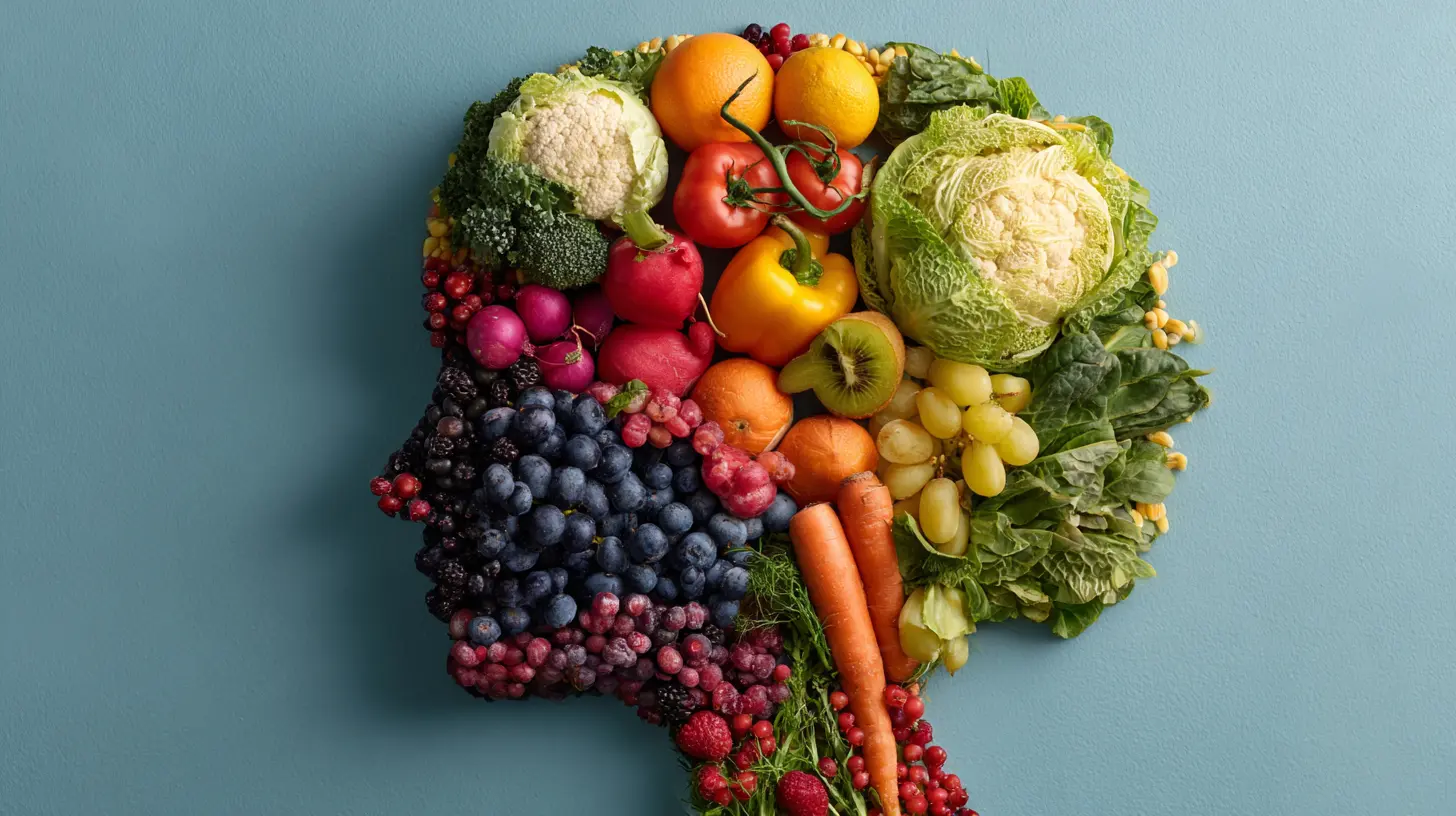
The Impact of Diet Patterns
Beyond individual nutrients, the overall pattern of one's diet can significantly influence mental health.The Mediterranean Diet
The Mediterranean diet, characterized by high consumption of fruits, vegetables, whole grains, fish, and healthy fats, has been associated with a lower incidence of depression and anxiety. This diet emphasizes whole foods and minimizes processed options, aligning with the principles of promoting gut health and nutrient density.The Standard American Diet
Conversely, the Standard American Diet (SAD), which is high in processed foods, sugars, and unhealthy fats, has been linked to increased rates of depression and anxiety. The reliance on convenience foods often leads to nutrient deficiencies that can adversely affect mental health.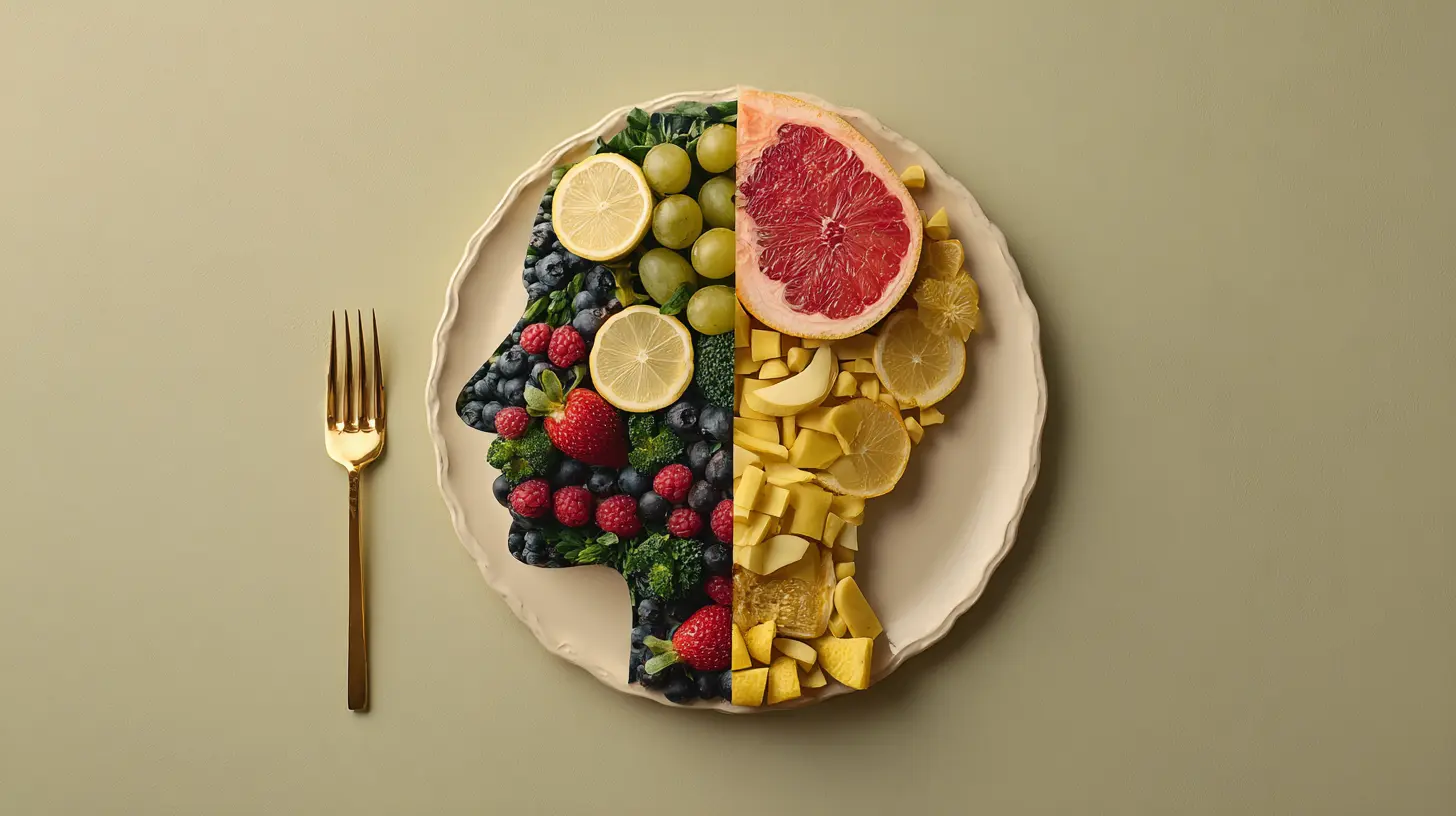
Practical Strategies for Improvement
Adopting a diet that supports mental health involves more than just choosing the right foods; it also requires mindful eating practices.Meal Planning
Planning meals in advance can help individuals make healthier choices and avoid last-minute decisions that might lead to unhealthy eating. Consider creating a weekly menu that includes a variety of nutrient-dense foods.Mindful Eating
Practicing mindful eating-paying attention to the experience of eating and savoring each bite-can enhance the enjoyment of food and promote better digestion. This practice can also help individuals recognize emotional eating triggers and develop healthier coping strategies.Hydration
Staying hydrated is often overlooked but is essential for overall health, including mental well-being. Dehydration can lead to fatigue, irritability, and difficulty concentrating. Aim to drink enough water throughout the day, and consider incorporating herbal teas or infused waters for variety.Common Misconceptions
Despite the growing body of evidence supporting the connection between nutrition and mental health, several misconceptions persist."All Fats Are Bad"
Many people still believe that all fats are detrimental to health. However, healthy fats, particularly omega-3 fatty acids, are vital for brain function. It is essential to differentiate between healthy fats (such as those found in avocados, nuts, and fish) and unhealthy trans fats found in many processed foods."Supplements Can Replace a Healthy Diet"
While supplements can be beneficial in certain situations, they should not be viewed as a substitute for a balanced diet. Whole foods provide a complex array of nutrients that work synergistically, offering benefits that isolated supplements may not replicate."Diet Alone Can Cure Mental Illness"
While nutrition plays a crucial role in mental health, it is not a standalone solution for mental illnesses. Conditions like depression and anxiety often require a comprehensive treatment approach, including therapy, medication, and lifestyle changes.
The Role of Professional Guidance
Navigating the intersection of nutrition and mental health can be complex. Seeking guidance from healthcare professionals, such as registered dietitians or mental health specialists, can provide personalized recommendations. These experts can help identify specific dietary needs and develop a tailored plan that considers individual preferences, lifestyle, and mental health status.The Importance of a Holistic Approach
A holistic approach to mental health recognizes that nutrition is just one piece of the puzzle. Factors such as physical activity, sleep, social connections, and stress management also play significant roles. Integrating a balanced diet with other healthy lifestyle choices can lead to more sustainable improvements in mental well-being.Conclusion
The connection between nutrition and mental health is profound and multifaceted. By understanding the impact of diet on mental well-being, individuals can make informed choices that support their mental health. Emphasizing nutrient-dense foods, practicing mindful eating, and addressing common misconceptions can pave the way for improved emotional resilience and overall well-being.As we continue to uncover the complexities of how nutrition affects mental health, it becomes clear that what we eat is not just about physical health; it is a vital component of our emotional and psychological well-being.
all images in this post were generated using AI tools
Category:
Mental WellbeingAuthor:

Paulina Sanders
Discussion
rate this article
1 comments
Victoria Cummings
Taking care of your body can truly uplift your mind. Nourishing your brain through healthy eating not only enhances mood but also empowers you to face life's challenges with strength.
November 20, 2026 at 5:25 AM