AI and the Empowerment Paradox
June 7, 2026 - 19:18
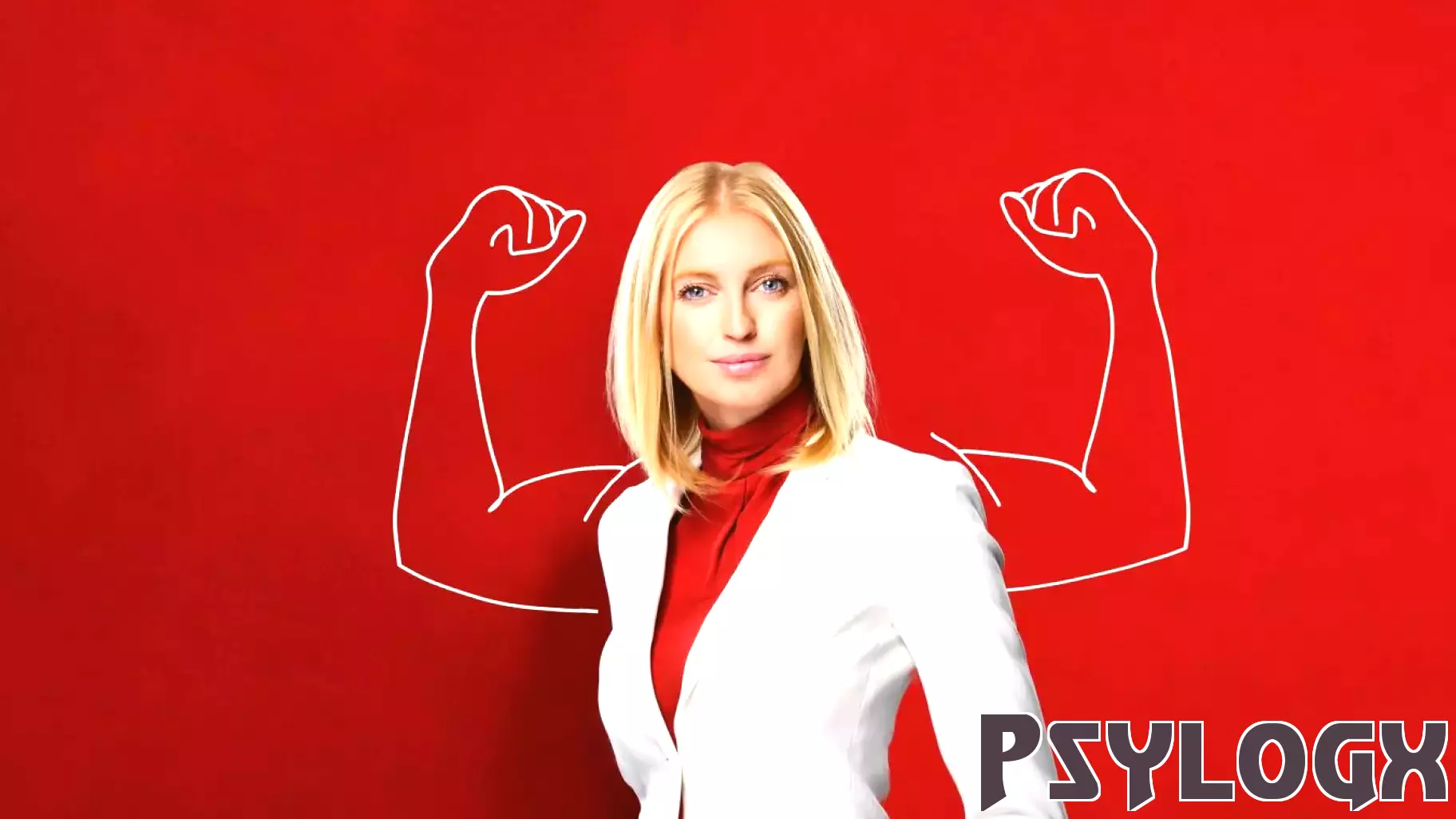
Artificial intelligence is often sold as a tool of empowerment. It promises to answer our questions instantly, automate tedious tasks, and unlock creativity for anyone with a keyboard. But beneath this promise lies a quiet paradox: by removing the friction of finding answers, AI may also be removing the struggle that once made us capable of asking better questions in the first place.
For centuries, the act of seeking knowledge required effort. You had to read, debate, test ideas, and often fail. That struggle was not a bug; it was a feature. It built critical thinking, patience, and the ability to recognize a good question from a shallow one. Now, a single prompt can generate a polished essay, a line of code, or a business plan in seconds. The answer arrives before the question has fully formed.
The risk is not that AI will become too smart, but that we will become too comfortable. When every answer is immediate, the muscle of inquiry atrophies. We stop asking "why" because the machine already told us "what." We trade depth for speed, and nuance for convenience.
This is not a call to reject AI, but to use it with awareness. The best users of AI will not be those who get the fastest answers, but those who still know how to ask the hardest questions. Empowerment is not having all the answers handed to you. It is having the strength to keep questioning even when the machine falls silent.
MORE NEWS
October 21, 2026 - 02:09
Jon Heder Returns in New Psychological Horror Film I See the DemonJon Heder, best known for his role in the 2004 comedy Napoleon Dynamite, has officially returned to screens with a new psychological horror movie titled I See the Demon. The film is now available...
October 20, 2026 - 04:33
A Lifelong Connection: Psychology Professor Eli Finkel's Enduring Ties to NorthwesternWhen psychology Prof. Eli Finkel (Weinberg `97) invited his then-girlfriend over to his apartment as a Northwestern student, he said he often found himself keeping her at a distance. Finkel said he...

October 19, 2026 - 04:51
How Witches, Batman and Spider-Man Can Help You Win CustomersCustomers are drawn to products that balance familiarity and recognition with a fresh twist that sparks curiosity and connection. That idea sits at the heart of some of the most successful...

October 18, 2026 - 00:28
Why Pushing Through Burnout Won't Fix a Broken SystemExhaustion is often treated as a personal failing, something to be corrected with better habits or a tougher mindset. But the question worth asking is not what is wrong with you. It is what is...