Managing Young Children’s Daylight Saving Time Sleep Issues
March 5, 2026 - 18:12
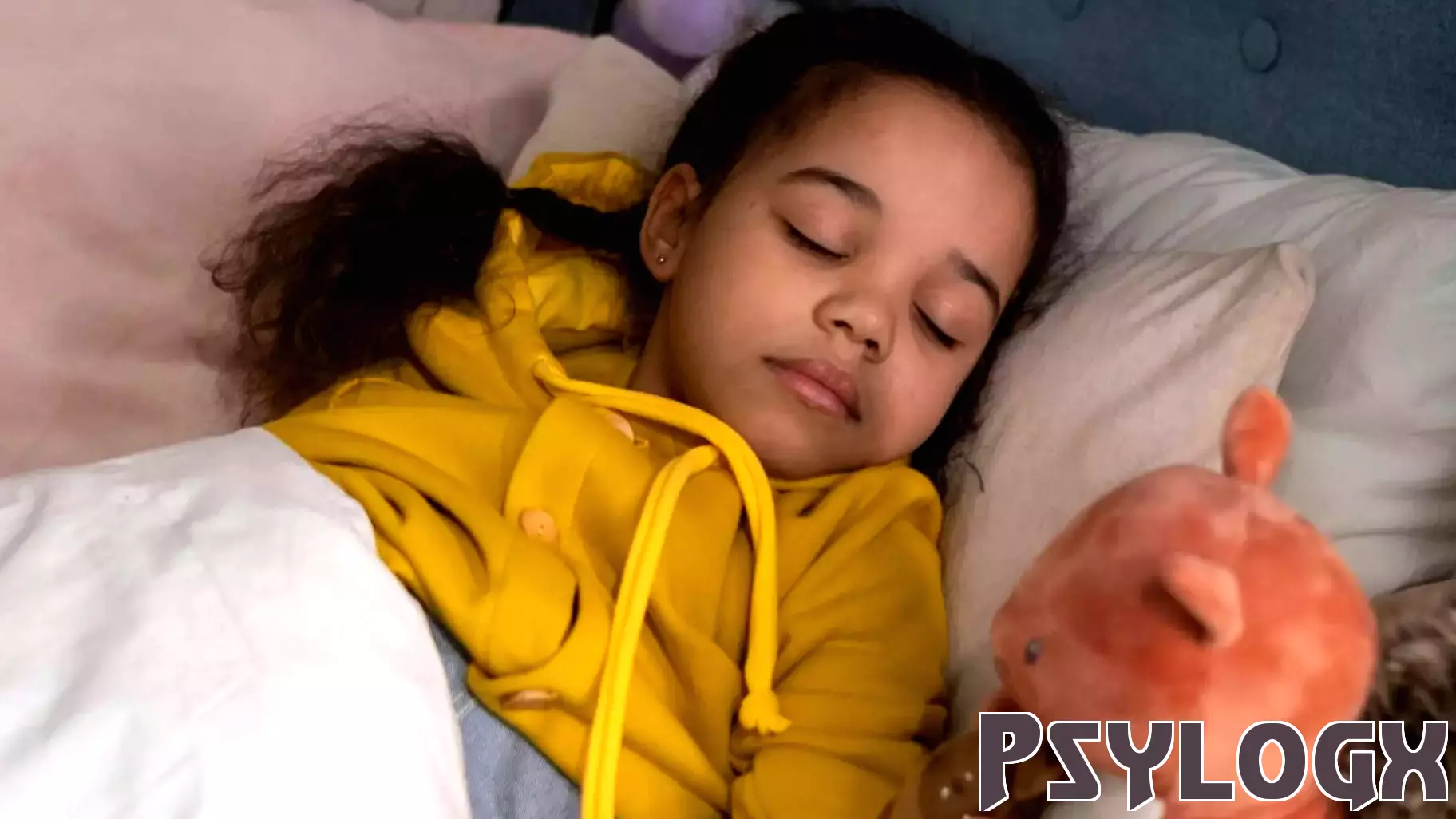
The annual shift to Daylight Saving Time is more than a minor inconvenience for families with young children. It can significantly disrupt carefully established sleep schedules, leading to overtired, fussy toddlers and preschoolers. However, with some simple preparation, parents can navigate this transition more smoothly.
The key is a gradual approach. In the days leading up to the time change, begin shifting your child's daily routine. Adjust bedtime, meals, and naps by about 10 to 15 minutes later each day. This slow shift helps their internal clock adapt incrementally, making the full one-hour jump less jarring.
On the day of the change itself, prioritize sunlight exposure in the morning. Natural light is a powerful cue for the body's circadian rhythm. Conversely, in the evening, dim the lights and reduce stimulating activities to signal that bedtime is approaching. Consistency with calming pre-sleep rituals, like reading a book, remains crucial.
While it may take several days for a child to fully adjust, maintaining patience and a predictable routine is the most effective strategy. The goal is to minimize sleep debt and help the entire family spring forward with less friction and more rest.
MORE NEWS

October 17, 2026 - 03:18
Why a Reverse Bucket List Can Make You Happier Than Chasing GoalsA happiness researcher is suggesting that people stop focusing so much on the future and instead look back at what they have already done. The idea is called a reverse bucket list, and it works in...

October 16, 2026 - 16:42
The Psychology Behind Why Effort Feels Worth ItWhy does effort feel worth it to some people and too costly to others? A UNSW-led research project is investigating what motivates us to persist, and the role of human connection. Researchers are...

October 15, 2026 - 18:42
The Psychological Trap Behind Nonstop DecoratingThe concept goes all the way back to the 18th century. Denis Diderot, the French philosopher, received a lavish scarlet robe as a gift. He loved it at first. Then he noticed how shabby everything...

October 15, 2026 - 10:36
Can Psychology Make AI Safer?Behavioral science offers better ways to test AI responses, but treating a chatbot like a human patient has limits. As artificial intelligence systems become more conversational and more deeply...