Psychology says children who refuse to join a group photograph but happily take the picture may mean more than you think
October 27, 2026 - 22:33

At a family gathering, everyone is getting ready for a group photograph. One child refuses to stand with the others, moves away when the camera comes out and insists they do not want their picture taken. Parents often read this as shyness or a passing mood. Psychologists suggest it can signal something deeper about how a child understands control, attention and personal boundaries.
A child who steps out of a group photo is making a choice in a moment when adults expect compliance. That choice can reflect a strong need for autonomy. Some children feel uncomfortable being watched or having their image captured without a clear sense of what will happen next. Others may dislike the sudden shift in attention and the pressure to perform a smile on command.
The behavior becomes more telling when a child happily takes a picture on their own terms but refuses to join the group. That contrast points to preference rather than fear. The child is not avoiding cameras entirely. They are rejecting a specific situation where they feel exposed, crowded or unable to say no.
Caregivers can respond by offering simple choices, such as standing at the edge of the frame or taking a separate photo first. Respecting a child's no in small moments can build trust and make future gatherings easier for everyone.
MORE NEWS

October 27, 2026 - 15:38
Nostalgic people vs. future-focused people: Psychology explains why some people revisit old memories while others concentrate on what lies aheadHave you ever found yourself going through old photographs, revisiting childhood memories, or talking about moments from the past that hold a special place in your heart with your partner, only to...
October 26, 2026 - 19:14
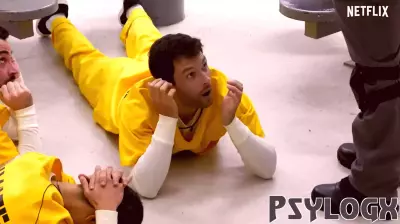
Why Flawed Psychology Studies Still Shape How We Think About Human BehaviorA new Netflix series has brought the Stanford prison experiment back into public conversation, raising fresh questions about why controversial psychology research continues to hold such a powerful...

October 26, 2026 - 12:35
Why Your Brain Replays Work Conversations and How to Break the LoopYou finish a meeting, return to your desk and try to get on with the day. But your mind keeps going back to one moment. Maybe it was a comment you made, a pause that felt too long, or a look you...

October 25, 2026 - 22:29
How Anger and Fear Shape Preferences for Different Leader FacesWhich face looks like the right leader may depend on how a political issue makes you feel. New research suggests that emotions play a meaningful role in shaping the kind of leader voters are drawn...