Psychology says kids who were the “mature one” often grow into adults who feel out of place at parties — they skipped the years when everyone else learned how to be silly
October 28, 2026 - 21:15
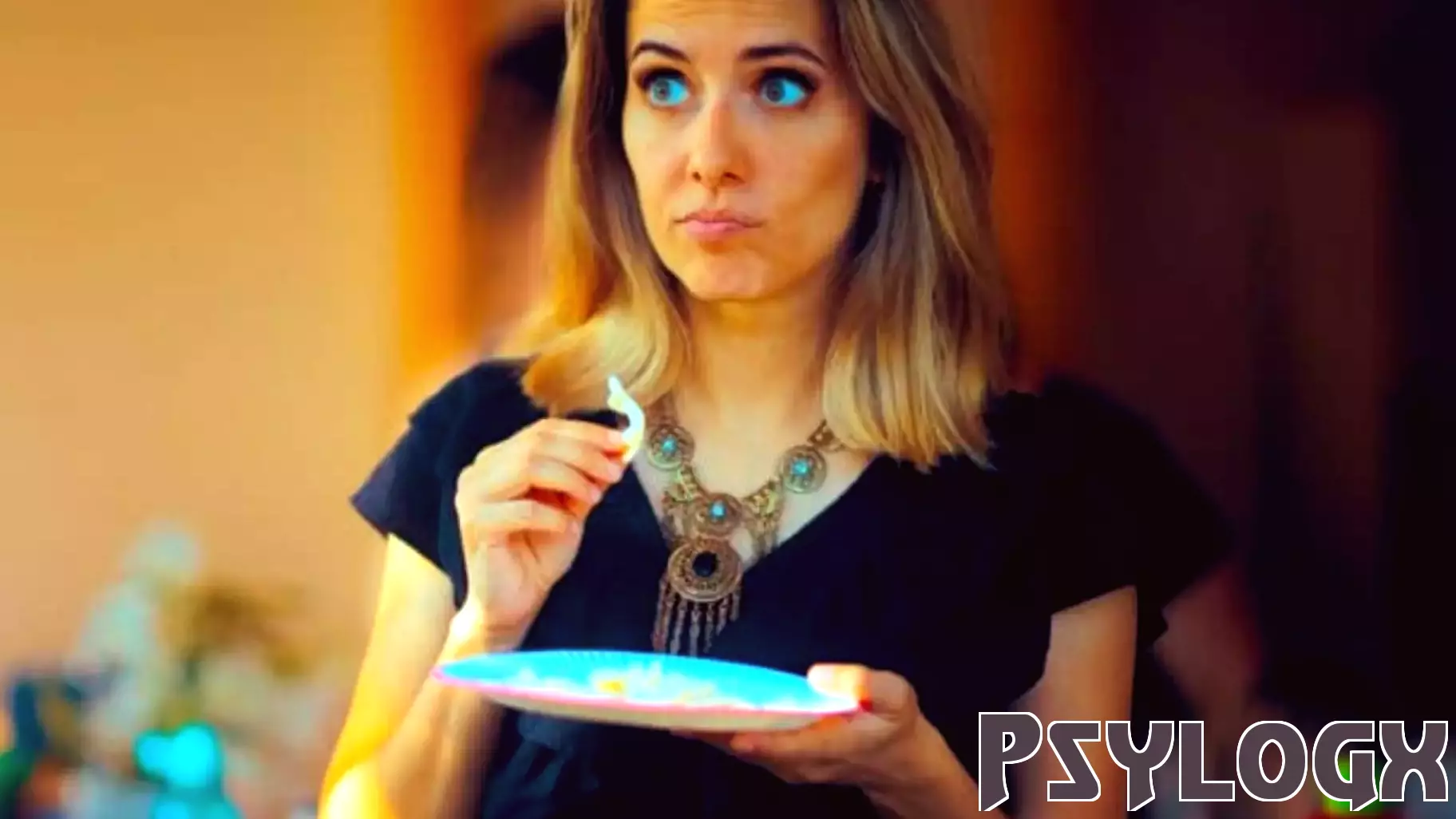
Children who are regularly praised for acting mature tend to carry a quiet difficulty into adulthood, especially in social settings that depend on lightness and play. Psychologists who study development note that maturity in a child is often rewarded because it makes life easier for the adults around them. The child who stays calm, avoids trouble, and takes on responsibility early is frequently told how grown up they are. That praise can shape a self image built on being serious and dependable.
The cost appears later. Play is not a trivial part of childhood. It is where people learn timing, humor, improvisation, and the small social risks that make gatherings enjoyable. Children who skip that stage because they were needed elsewhere, or because they were praised for not acting their age, may enter adulthood without those skills. Parties and casual group settings can then feel confusing or exhausting. They may want to join in but find themselves watching from the edges, unsure how to be silly without feeling foolish.
Mental health professionals stress that these adults are not broken. Social play is a learnable skill, and many people develop it later in life through safe, low pressure interactions. The first step is recognizing that the discomfort has a history. Understanding why play felt unsafe or unnecessary in childhood can reduce shame and open the door to practicing lightness at a pace that feels manageable.
MORE NEWS
October 28, 2026 - 10:29
Students and Faculty Break Down Netflix's New Stanford Prison ExperimentLaughter erupted in a dimly lit Sewall Hall room as Mike Paramore, a participant in Netflix`s `The New Stanford Prison Experiment,` offered a grim prediction: `Worst case scenario, my inner monster...
October 27, 2026 - 22:33
Psychology says children who refuse to join a group photograph but happily take the picture may mean more than you thinkAt a family gathering, everyone is getting ready for a group photograph. One child refuses to stand with the others, moves away when the camera comes out and insists they do not want their picture...

October 27, 2026 - 15:38
Nostalgic people vs. future-focused people: Psychology explains why some people revisit old memories while others concentrate on what lies aheadHave you ever found yourself going through old photographs, revisiting childhood memories, or talking about moments from the past that hold a special place in your heart with your partner, only to...
October 26, 2026 - 19:14
Why Flawed Psychology Studies Still Shape How We Think About Human BehaviorA new Netflix series has brought the Stanford prison experiment back into public conversation, raising fresh questions about why controversial psychology research continues to hold such a powerful...