Psychology says people who feel uncomfortable when guests move things around in their homes may be more emotionally attached to their personal space than they realise, and there is a reason even small changes can bother them
October 30, 2026 - 13:02
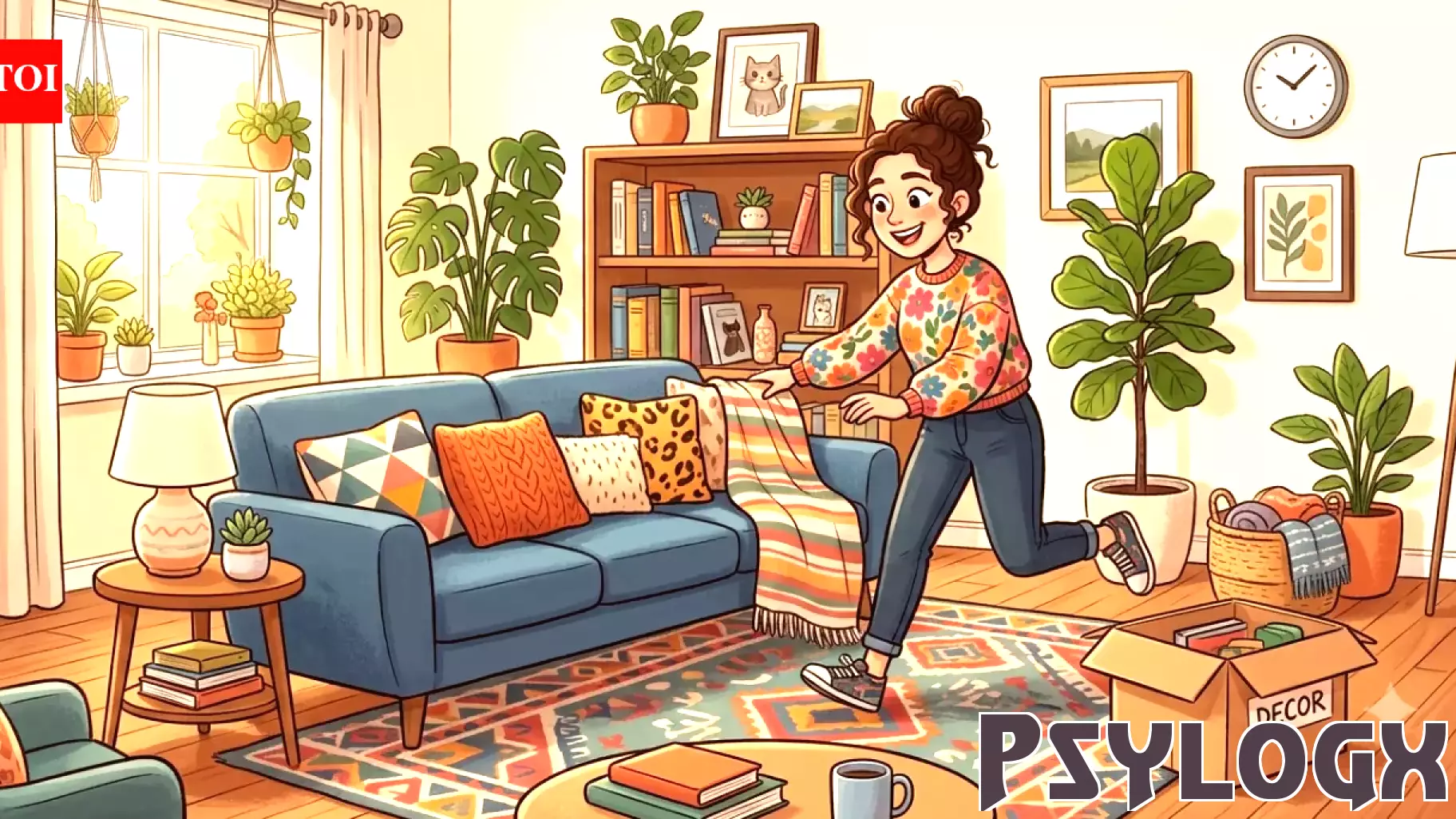
Imagine inviting a friend over for dinner and watching them casually move the cushions on your sofa, shift a decorative bowl to another table and pull a chair closer to the window. Nothing is broken. No harm has been done. Yet something about the scene feels off, and you cannot quite explain why.
According to psychology, that quiet discomfort is more meaningful than it appears. People who feel uneasy when guests rearrange things in their homes may be more emotionally attached to their personal space than they realize. The reaction is not about being controlling or overly particular. It reflects a deep connection between a person's surroundings and their sense of stability.
Research on attachment and environment suggests that our homes function as extensions of the self. The placement of objects is not random. A chair sits where it does because of a habit formed over years. A bowl rests on a certain table because it was placed there during a meaningful moment. When someone shifts these items, even slightly, the change can register as a small disruption to an internal map that took a long time to build.
The reason even minor changes bother some people comes down to predictability and control. Familiar arrangements reduce mental effort. They signal safety. When a guest alters that order, the brain briefly has to reorient itself, and for someone strongly tied to their space, that adjustment can feel surprisingly jarring.
Experts note that this sensitivity is not a flaw. It often points to a rich emotional life and a strong need for a personal sanctuary. Understanding it can help both hosts and guests navigate visits with more awareness and less friction.
MORE NEWS
October 29, 2026 - 22:55
House Panel Accuses Activists of Influencing Psychology Group's Post-Oct. 7 ResponseA House committee report alleges that anti-Israel activists have co-opted the American Psychological Association, pointing to internal communications that show the organization`s leaders dropped...

October 29, 2026 - 16:59
'A constant, anxious background noise': Health professionals describe the psychological toll of the social crisisSince high school student blockades began, and even more so after October 17, general practitioners, psychiatrists and psychologists have observed the effect of the current climate of anxiety on...
October 28, 2026 - 21:15
Psychology says kids who were the “mature one” often grow into adults who feel out of place at parties — they skipped the years when everyone else learned how to be sillyChildren who are regularly praised for acting mature tend to carry a quiet difficulty into adulthood, especially in social settings that depend on lightness and play. Psychologists who study...
October 28, 2026 - 10:29
Students and Faculty Break Down Netflix's New Stanford Prison ExperimentLaughter erupted in a dimly lit Sewall Hall room as Mike Paramore, a participant in Netflix`s `The New Stanford Prison Experiment,` offered a grim prediction: `Worst case scenario, my inner monster...