The Hidden Emotional Labor Draining Women Leaders
March 5, 2026 - 03:56
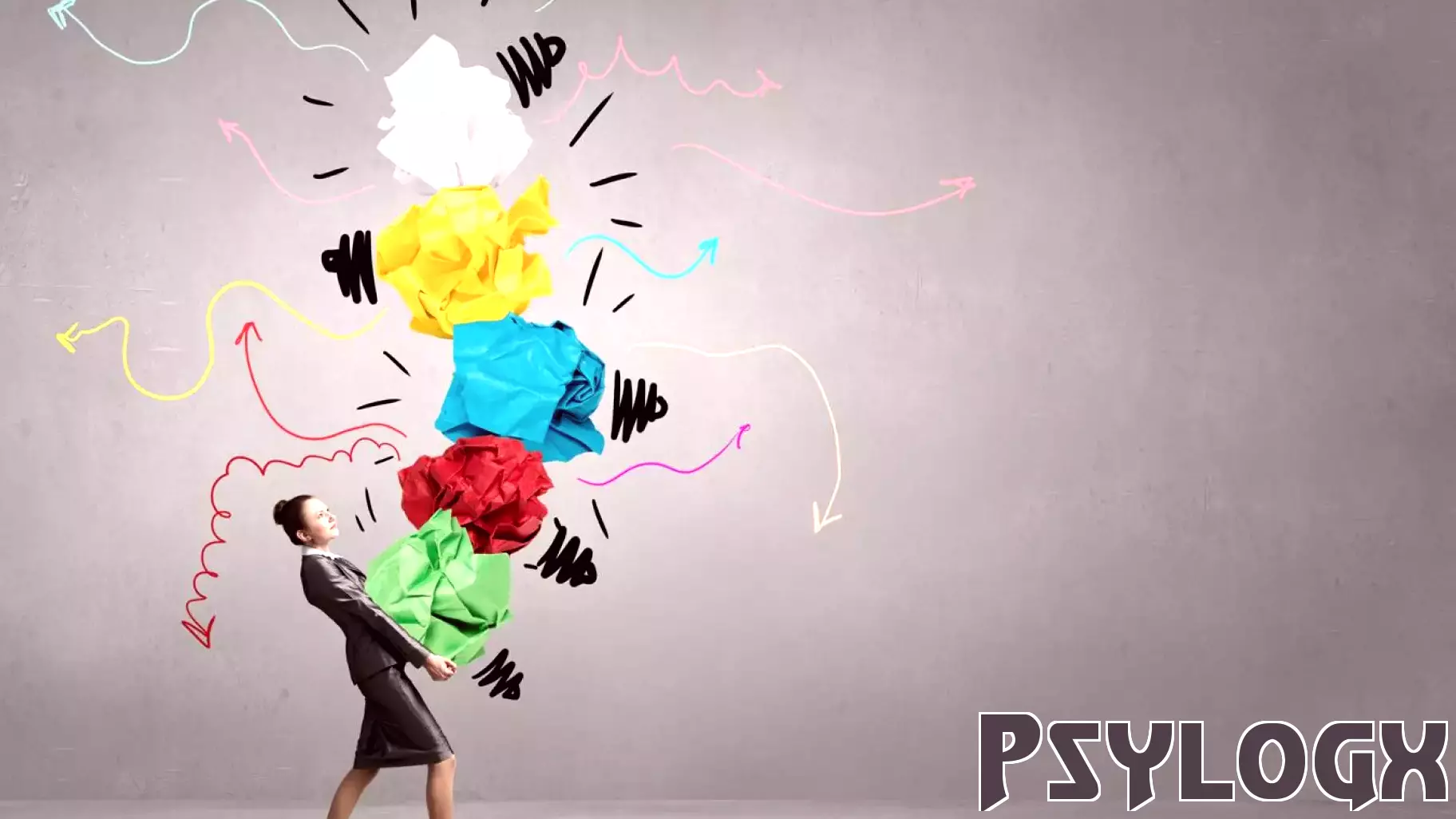
A silent but significant factor is contributing to the burnout epidemic among women leaders: the immense weight of unacknowledged emotional labor. This goes beyond standard job responsibilities, encompassing the constant, unseen work of managing team morale, mediating interpersonal conflicts, and providing empathetic support.
This role often falls disproportionately on women in positions of authority, who may feel an implicit expectation to nurture and stabilize workplace dynamics. The labor involves carefully reading emotional undercurrents in meetings, proactively addressing colleagues' feelings to maintain harmony, and absorbing frustration without reciprocation. While this skillset is invaluable for team cohesion, it is rarely quantified, compensated, or factored into performance reviews.
The cumulative effect is a substantial drain on mental and emotional resources. When this effort remains invisible and without formal recognition, it fuels exhaustion and resentment. Furthermore, it creates a stark inequity, as this uncompensated workload can sideline women leaders from strategic projects that advance careers.
Experts argue that for workplaces to become truly equitable, this form of labor must be made visible. Organizations are encouraged to formally acknowledge these contributions, redistribute the responsibility across all leadership, and empower leaders to set healthy boundaries. Addressing this hidden burden is not just a matter of fairness, but a critical step in retaining top talent and fostering sustainable leadership.
MORE NEWS

October 16, 2026 - 16:42
The Psychology Behind Why Effort Feels Worth ItWhy does effort feel worth it to some people and too costly to others? A UNSW-led research project is investigating what motivates us to persist, and the role of human connection. Researchers are...

October 15, 2026 - 18:42
The Psychological Trap Behind Nonstop DecoratingThe concept goes all the way back to the 18th century. Denis Diderot, the French philosopher, received a lavish scarlet robe as a gift. He loved it at first. Then he noticed how shabby everything...

October 15, 2026 - 10:36
Can Psychology Make AI Safer?Behavioral science offers better ways to test AI responses, but treating a chatbot like a human patient has limits. As artificial intelligence systems become more conversational and more deeply...

October 14, 2026 - 17:18
Psychology program adjusts after professor’s medical emergencyPsychology students and faculty have spent several weeks adjusting to course changes and limited information after Professor of Psychological Science Donald Evans experienced a medical emergency on...