The Impact of Neglect on a Young Mind's Development
December 5, 2025 - 02:01
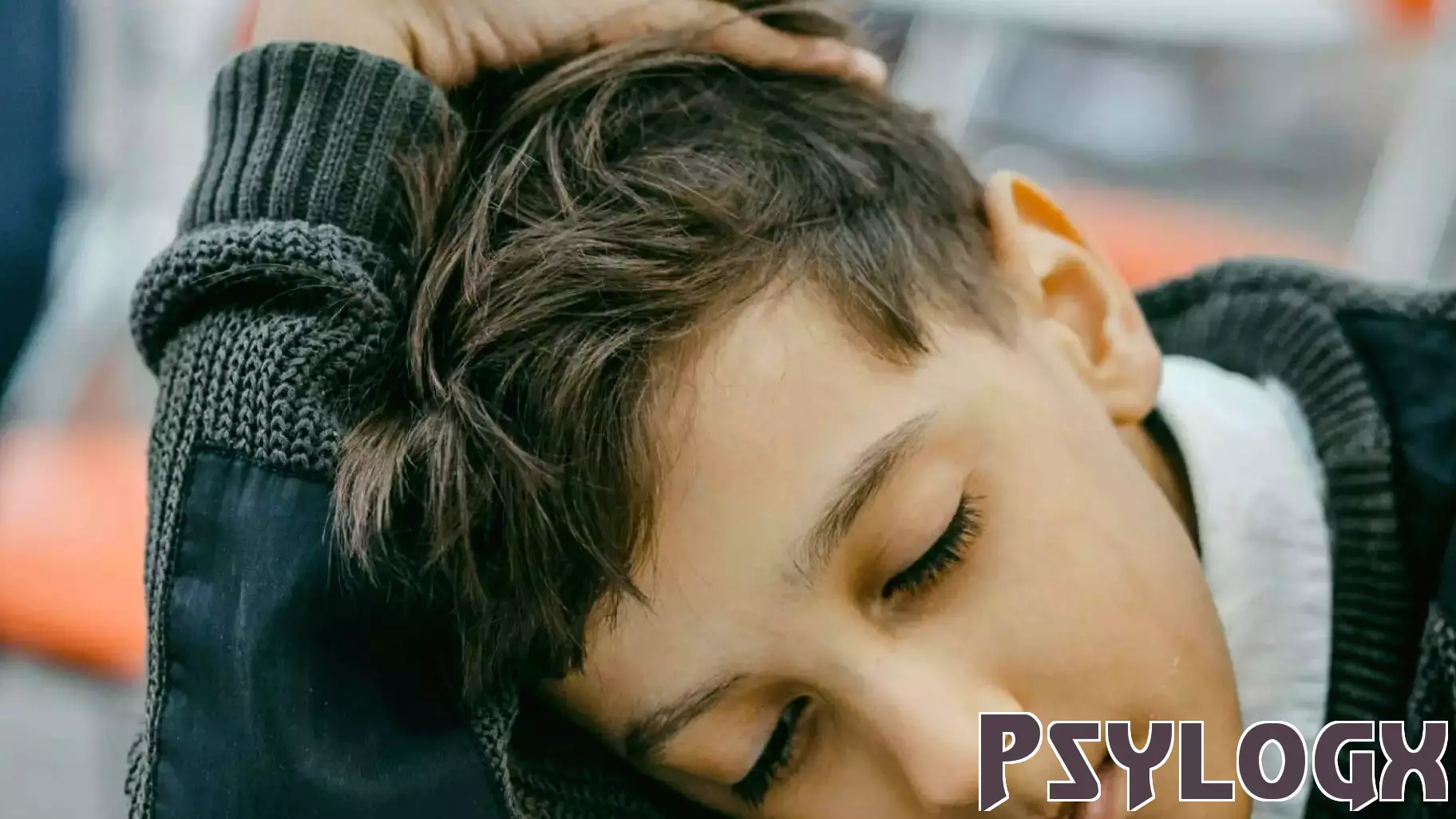
A quiet child in the back row often carries hidden burdens. Mateo’s story reveals how silence in school can shape the choices a young mind makes. Growing up in an environment where he felt overlooked, Mateo struggled to find his voice among more outspoken peers. This feeling of being ignored not only affected his confidence but also influenced his academic performance and social interactions.
As he navigated through his school years, Mateo often found himself retreating into a shell, hesitant to participate in class discussions or extracurricular activities. The lack of encouragement and recognition from teachers and classmates left him feeling isolated, which in turn limited his opportunities for growth and development.
Research shows that children who experience neglect or are frequently overlooked in social settings may develop a sense of inadequacy, leading to poor decision-making later in life. Mateo’s experience highlights the critical need for educators and parents to foster an inclusive environment where every child feels valued and heard. By addressing these silent struggles, we can help shape a brighter future for children like Mateo.
MORE NEWS
October 17, 2026 - 03:18
Why a Reverse Bucket List Can Make You Happier Than Chasing GoalsA happiness researcher is suggesting that people stop focusing so much on the future and instead look back at what they have already done. The idea is called a reverse bucket list, and it works in...
October 16, 2026 - 16:42
The Psychology Behind Why Effort Feels Worth ItWhy does effort feel worth it to some people and too costly to others? A UNSW-led research project is investigating what motivates us to persist, and the role of human connection. Researchers are...

October 15, 2026 - 18:42
The Psychological Trap Behind Nonstop DecoratingThe concept goes all the way back to the 18th century. Denis Diderot, the French philosopher, received a lavish scarlet robe as a gift. He loved it at first. Then he noticed how shabby everything...

October 15, 2026 - 10:36
Can Psychology Make AI Safer?Behavioral science offers better ways to test AI responses, but treating a chatbot like a human patient has limits. As artificial intelligence systems become more conversational and more deeply...