The Impact of Screens on Emotional Development in Newborns
January 19, 2026 - 00:50
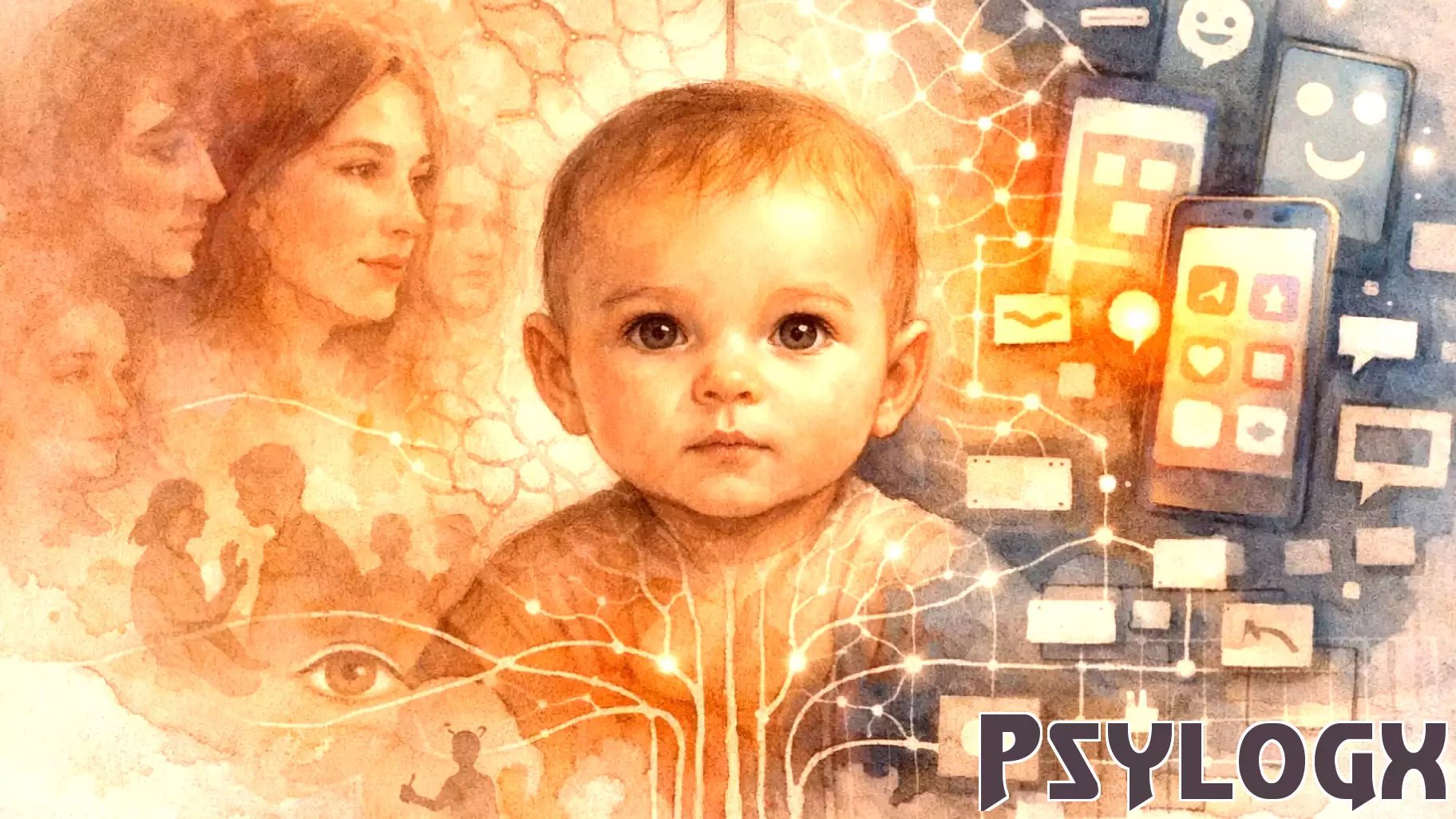
Newborns are born with an innate ability to track human faces from the moment they enter the world. This remarkable skill plays a crucial role in their early development, allowing them to connect with caregivers and begin to understand emotional cues. However, the increasing prevalence of screens in daily life raises important questions about how this shift might affect the next generation's ability to read emotions and form meaningful connections.
As screens replace face-to-face interactions, researchers are concerned that infants may miss out on essential social experiences. The subtleties of human expression, which are critical for emotional development, could become less familiar to children who spend more time engaging with devices rather than people. This change in interaction dynamics may lead to challenges in empathy and emotional intelligence as these children grow.
Understanding the implications of screen exposure during the formative years is vital. As society navigates this digital age, prioritizing human connection in early development could be key to fostering emotionally intelligent individuals in the future.
MORE NEWS
October 16, 2026 - 16:42
The Psychology Behind Why Effort Feels Worth ItWhy does effort feel worth it to some people and too costly to others? A UNSW-led research project is investigating what motivates us to persist, and the role of human connection. Researchers are...

October 15, 2026 - 18:42
The Psychological Trap Behind Nonstop DecoratingThe concept goes all the way back to the 18th century. Denis Diderot, the French philosopher, received a lavish scarlet robe as a gift. He loved it at first. Then he noticed how shabby everything...
October 15, 2026 - 10:36
Can Psychology Make AI Safer?Behavioral science offers better ways to test AI responses, but treating a chatbot like a human patient has limits. As artificial intelligence systems become more conversational and more deeply...

October 14, 2026 - 17:18
Psychology program adjusts after professor’s medical emergencyPsychology students and faculty have spent several weeks adjusting to course changes and limited information after Professor of Psychological Science Donald Evans experienced a medical emergency on...