The Power of Pretend: Cultivating Creativity Through Play
February 28, 2026 - 21:02
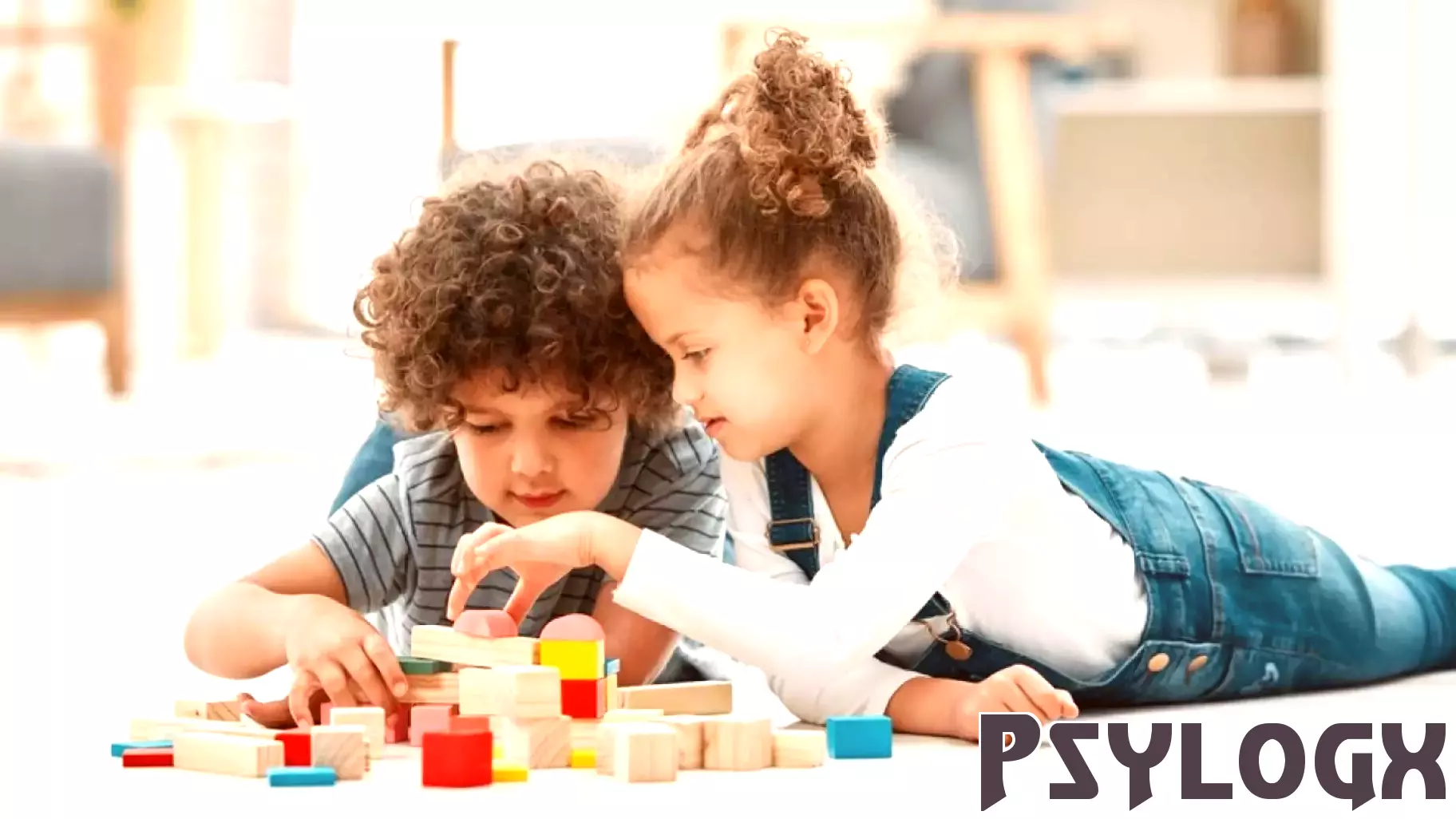
The simple act of a child pretending to be a pirate, a chef, or a superhero is far more than just a way to pass the time. Experts increasingly view this type of imaginative play as a critical ingredient in raising innovative and adaptable thinkers. By stepping into different roles and scenarios, children engage in complex cognitive workouts that build essential life skills.
During pretend play, children naturally experiment with narratives, negotiate roles with peers, and solve unexpected problems that arise in their imagined worlds. This process strengthens their ability to think flexibly, consider multiple perspectives, and develop empathy. They learn to use everyday objects as symbols for something else, like a cardboard box becoming a spaceship, which fosters abstract thinking—a cornerstone of creativity.
This unstructured, self-directed play is fundamentally different from passive entertainment or highly structured activities. It provides a safe space for trial and error, where there are no wrong answers and the rules are fluid. By nurturing this capacity for imagination, we equip children not just for future artistic pursuits, but for the kind of innovative problem-solving that will serve them in any field they choose to explore. Encouraging this time for open-ended play is an investment in developing resilient and original minds.
MORE NEWS

October 12, 2026 - 04:43
Tracing the Real Source of ADHD Dementia RiskA recent study published in JAMA Psychiatry has drawn attention to a possible connection between attention deficit hyperactivity disorder and cognitive decline later in life. Media reports quickly...

October 11, 2026 - 01:21
Why Some People Cannot Remember Their Last Happy DayYour happiest friend orders another round, leans across the tiny marble table and sighs, `You know what, I honestly cannot remember the last time I felt genuinely happy.` It sounds dramatic, but it...

October 10, 2026 - 01:33
Psychology says children who behave differently around a friend's parents may be trying to avoid one thingA child who is talkative and playful at home may suddenly become quiet when visiting a friend`s house. Others may use unusually polite language around a friend`s parents, avoid making jokes they...

October 9, 2026 - 03:44
Czech Child Psychology Center Sees Tenfold Surge After Insurance DealsA Czech child psychology center known as Kind Place has experienced a dramatic spike in demand, with inquiries jumping tenfold within a single week. The surge followed the announcement of contracts...