The Replacement Fallacy
February 16, 2026 - 05:33

The pervasive belief that technology will inevitably provide solutions to the environmental crises we have created is a dangerous illusion. This "replacement fallacy" suggests we can simply compute or innovate our way out of the catastrophic consumption of our planet's resources. It is a seductive narrative, promising that future breakthroughs will clean up present-day pollution, offset rampant biodiversity loss, and reverse climate change through sheer engineering prowess.
However, this mindset fundamentally misunderstands the scale and nature of the problem. No algorithm can reconstitute a collapsed fishery or regrow an ancient rainforest lost to deforestation. While technology has a crucial role to play in mitigation and adaptation, it cannot replace the fundamental, finite systems that sustain life. The fallacy encourages a delay in meaningful action, promoting the idea that we can consume now and repair later through computational magic.
The true solution lies not in waiting for a digital savior, but in radically rethinking humanity's relationship with the natural world. It requires moving beyond the mindset of consumption and control to one of stewardship and balance. We must address the root causes of overconsumption and ecological degradation with tangible, systemic changes in how we live, produce, and value our environment. The planet we have consumed cannot be rebooted with a line of code.
MORE NEWS
October 3, 2026 - 04:17
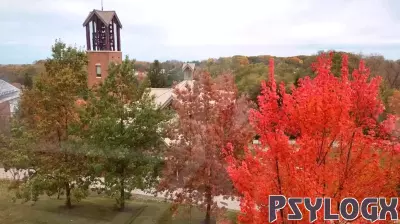
University Libraries launches Penn State Behrend student psychology journalThe Open Publishing team at the University Libraries has introduced a new academic publication called The Behrend Psychology Journal. This open access journal features original research conducted...
October 2, 2026 - 05:18
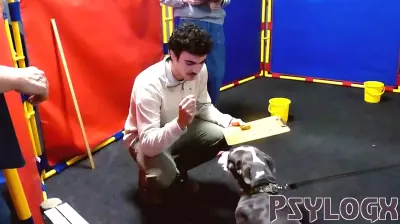
Dogs Take Part in Behavior Studies at emBARKEAU CLAIRE - At emBARK, UW-Eau Claire students were seeing if dogs, young and old, could be taught a few new tricks. The research effort brought together handlers, volunteers, and their canine...
October 1, 2026 - 20:09
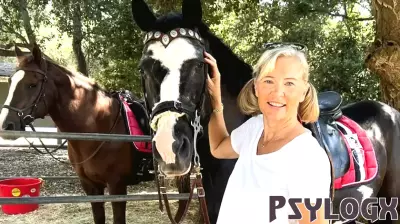
Remembering Melinda Blackman: A Professor Who Shaped GenerationsMelinda Blackman, a professor of psychology whose career spanned decades of teaching and mentorship, died on July 10, 2026. Her passing has left a deep void within the Department of Psychology and...

October 1, 2026 - 04:13
Fordham PhD Student Receives National Psychology Research AwardA doctoral candidate at Fordham University has earned national recognition for work in the field of developmental psychology. Alireza Zareian Jahromi, who is in his fourth year of the Applied...