The Risks of Parasocial Relationships
February 27, 2026 - 19:08
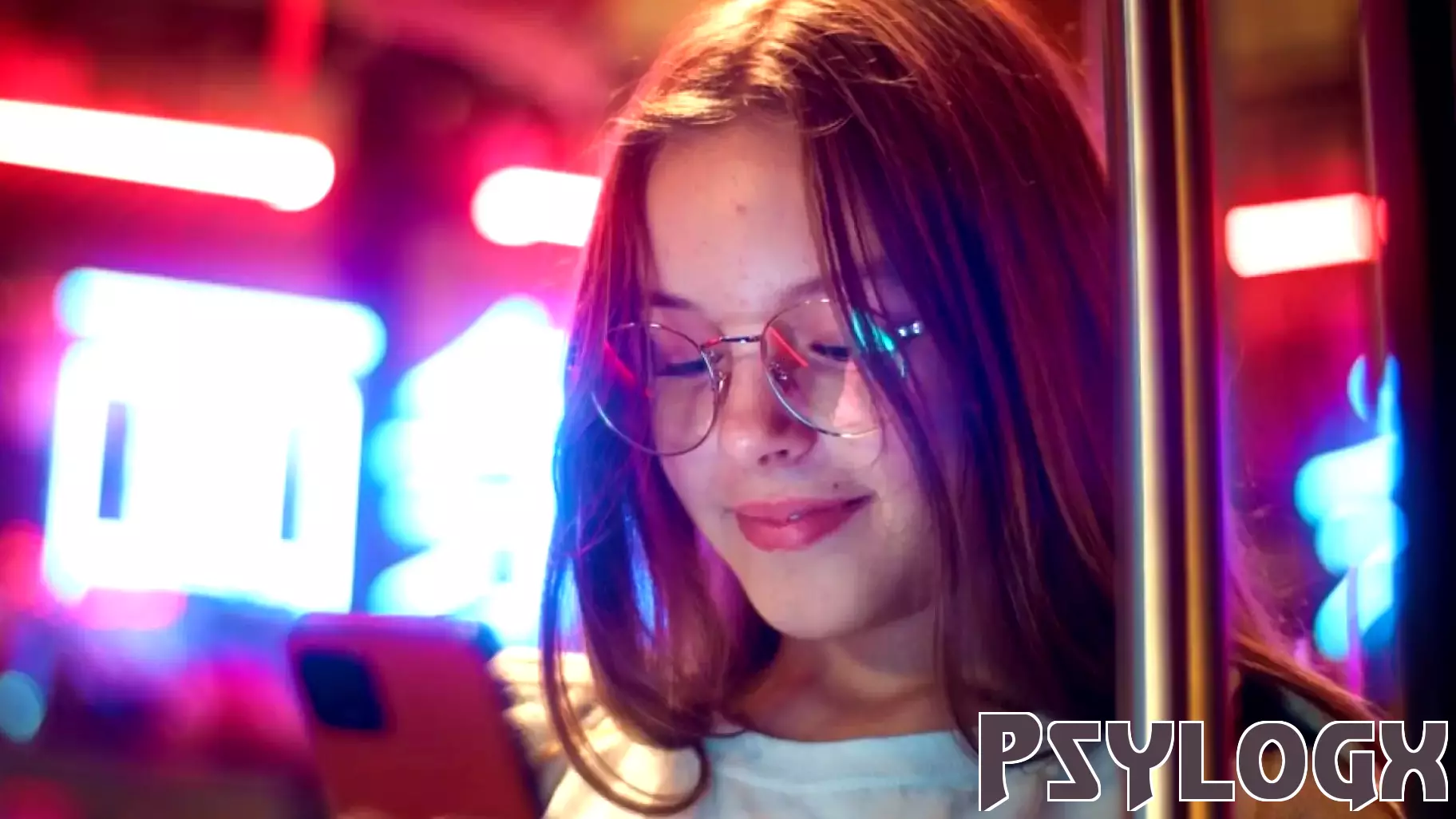
The digital age has fostered a new kind of intimacy: the parasocial relationship. This term describes a one-sided connection where an individual develops feelings of friendship, admiration, or kinship with a media personality—such as a celebrity, influencer, or content creator—who is entirely unaware of their existence. While these imagined bonds can offer comfort and a sense of community, experts are increasingly warning of their significant psychological risks.
The core danger lies in the asymmetry of the relationship. The fan invests real emotional energy, time, and sometimes money, while the object of their affection remains a curated persona. This can lead to unrealistic expectations for real-world interactions and a distorted sense of genuine connection. Over-reliance on these relationships can result in social withdrawal, neglecting actual friendships and family bonds in favor of digital fantasies.
Furthermore, when the perceived relationship is challenged—by a scandal, a change in content, or simply the creator's absence—it can trigger intense feelings of betrayal, grief, and personal rejection akin to a real breakup. This emotional volatility highlights how parasocial dynamics, though common, can subtly undermine an individual's social well-being and emotional resilience if left unchecked. Recognizing these connections for what they are—a form of entertainment rather than reciprocal friendship—is a crucial first step in maintaining a healthy media diet and protecting one's mental space.
MORE NEWS

October 12, 2026 - 04:43
Tracing the Real Source of ADHD Dementia RiskA recent study published in JAMA Psychiatry has drawn attention to a possible connection between attention deficit hyperactivity disorder and cognitive decline later in life. Media reports quickly...

October 11, 2026 - 01:21
Why Some People Cannot Remember Their Last Happy DayYour happiest friend orders another round, leans across the tiny marble table and sighs, `You know what, I honestly cannot remember the last time I felt genuinely happy.` It sounds dramatic, but it...
October 10, 2026 - 01:33
Psychology says children who behave differently around a friend's parents may be trying to avoid one thingA child who is talkative and playful at home may suddenly become quiet when visiting a friend`s house. Others may use unusually polite language around a friend`s parents, avoid making jokes they...

October 9, 2026 - 03:44
Czech Child Psychology Center Sees Tenfold Surge After Insurance DealsA Czech child psychology center known as Kind Place has experienced a dramatic spike in demand, with inquiries jumping tenfold within a single week. The surge followed the announcement of contracts...