We’re Being Played Through Propaganda, Memes, and War
April 1, 2026 - 20:38

A new and insidious front has opened in global conflicts, one fought not with traditional arms but with viral images and cultural shorthand. Analysts warn that state and non-state actors are increasingly packaging warfare within meme-driven narratives, deliberately using familiar cultural cues to transform complex geopolitical struggles into digestible, often entertaining, content.
This strategy aims to normalize violence and manipulate public perception on a massive scale. By framing military actions within the context of popular internet humor or shared cultural references, these campaigns lower psychological barriers to conflict. The gravity of war is diluted, replaced by the passive consumption of conflict as just another stream of online content.
The danger lies in how this shapes the understanding of war, particularly among younger, digitally-native generations. When combat is filtered through the lens of irony and viral trends, its human cost and strategic realities can become obscured. This method of influence doesn't just report on war; it actively reframes it, turning audiences into participants in a propaganda ecosystem that influences how future conflicts will be perceived, justified, or even demanded. The battlefield is now the feed, and the weapons are crafted for shares and likes.
MORE NEWS

September 29, 2026 - 02:56
Study Links AI Chatbots to Psychological Harm in Vulnerable UsersNew research outlines how the use of AI chatbots for companionship and support is linked with severe negative outcomes. The study, conducted by researchers at Northeastern University, examined the...

September 28, 2026 - 02:40
Why Group Projects Feel Like a Psychological ThrillerEvery introvert knows that dreadful feeling when the professor puts up the PowerPoint slide and there it is, written in a bold, unforgiving font that seals a collective doom: 30% - Final Group...
September 27, 2026 - 01:35
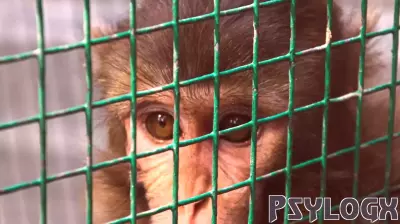
A Look Behind the Doors of a Primate Research FacilityLindsay Oliver`s new book offers a rare and detailed look at life inside a primate research facility, examining both the animals that live there and the people who care for them. Rather than...

September 26, 2026 - 15:04
A Clinical Psychologist Explains Why Gossip Is Not Always HarmfulClinical psychologist Niamh Delmar has shared her perspective on the role that gossip plays in everyday life, challenging the common assumption that talking about other people is always a negative...