Rethinking Wealth: Behavioral Lessons from The Psychology of Money
September 14, 2026 - 03:32
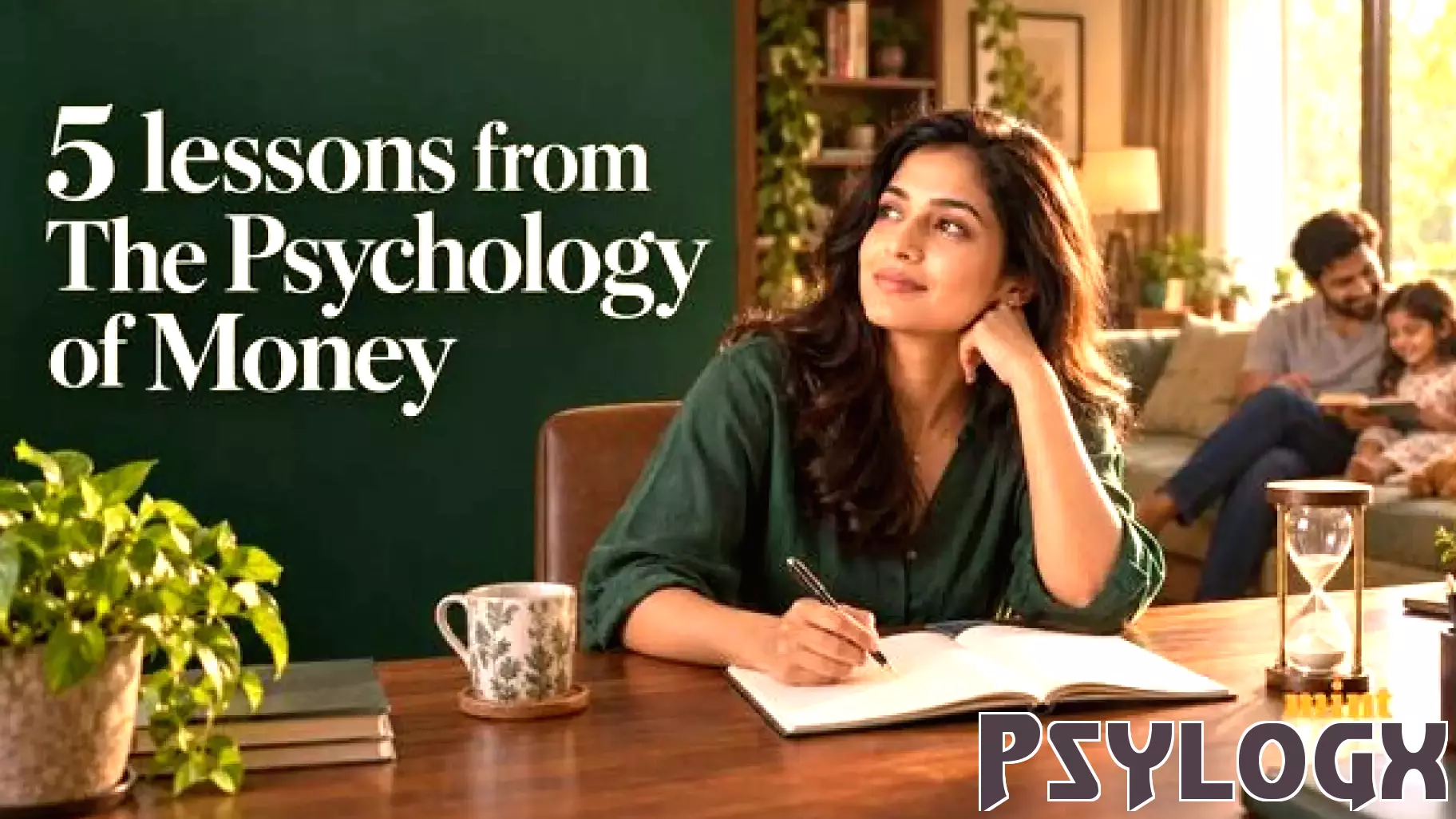
Morgan Housel's The Psychology of Money emphasises the role of behaviour in financial decisions. It also highlights that intelligence alone doesn't ensure financial success. The book argues that financial outcomes depend far more on how people act than on how much they know.
The first lesson centers on the idea that doing well with money has little to do with how smart you are. Housel points out that people with modest educations sometimes build lasting wealth, while highly trained professionals sometimes lose everything. The difference often comes down to patience, discipline, and emotional control.
A second lesson involves luck and risk. Every financial result is shaped by forces outside a person's control. Recognizing this helps people stay humble when things go well and forgiving when they don't.
A third lesson concerns the power of compounding. Small, consistent gains over long periods produce results that surprise almost everyone. Time matters more than timing.
A fourth lesson is that knowing when you have enough prevents ruin. Chasing more than you need often leads to decisions that destroy what you already have.
A fifth lesson is that freedom is the real dividend of money. Wealth buys control over your time, which is the most valuable thing anyone can own. Together, these ideas suggest that financial success is less about spreadsheets and more about self awareness.
MORE NEWS

October 28, 2026 - 21:15
Psychology says kids who were the “mature one” often grow into adults who feel out of place at parties — they skipped the years when everyone else learned how to be sillyChildren who are regularly praised for acting mature tend to carry a quiet difficulty into adulthood, especially in social settings that depend on lightness and play. Psychologists who study...
October 28, 2026 - 10:29
Students and Faculty Break Down Netflix's New Stanford Prison ExperimentLaughter erupted in a dimly lit Sewall Hall room as Mike Paramore, a participant in Netflix`s `The New Stanford Prison Experiment,` offered a grim prediction: `Worst case scenario, my inner monster...
October 27, 2026 - 22:33
Psychology says children who refuse to join a group photograph but happily take the picture may mean more than you thinkAt a family gathering, everyone is getting ready for a group photograph. One child refuses to stand with the others, moves away when the camera comes out and insists they do not want their picture...

October 27, 2026 - 15:38
Nostalgic people vs. future-focused people: Psychology explains why some people revisit old memories while others concentrate on what lies aheadHave you ever found yourself going through old photographs, revisiting childhood memories, or talking about moments from the past that hold a special place in your heart with your partner, only to...